A Triple-Trail Day near the Tualatin River
March 2019
Three Different Hikes in Southwest Portland
After hiking yesterday afternoon, we wanted to make the most of another crisp, sunny spring day. We got an early start because we planned to hike at three spots in the Southwest Portland area.
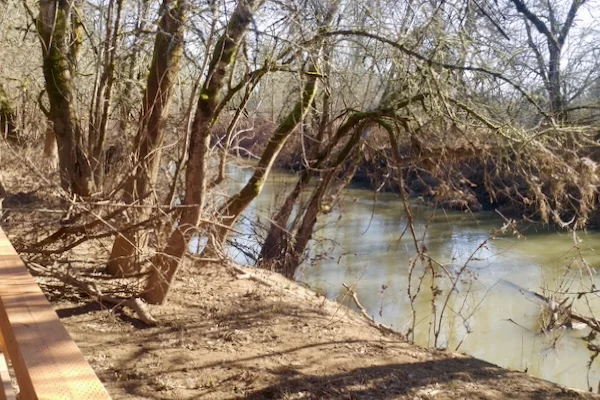
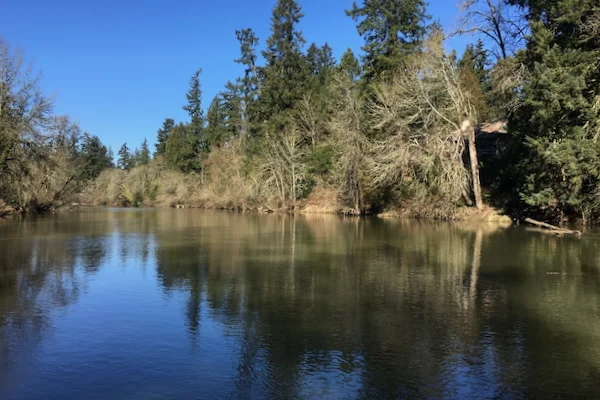
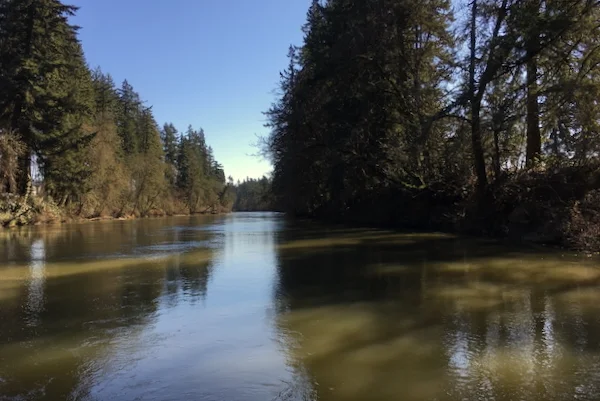
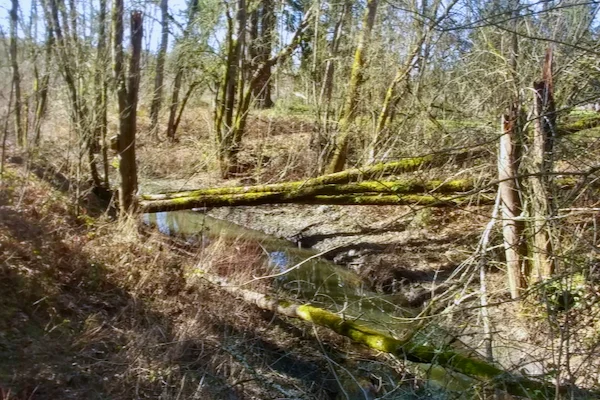
A Crisp Start at Brown’s Ferry Park
- March 3, 2019
- 1.73 mi
- 0:28:13 hrs
- 43 °F
Graham Oaks, A Saved Sanctuary
- March 3, 2019
- 3.31 mi
- 1:04:03 hrs
- 43 °F
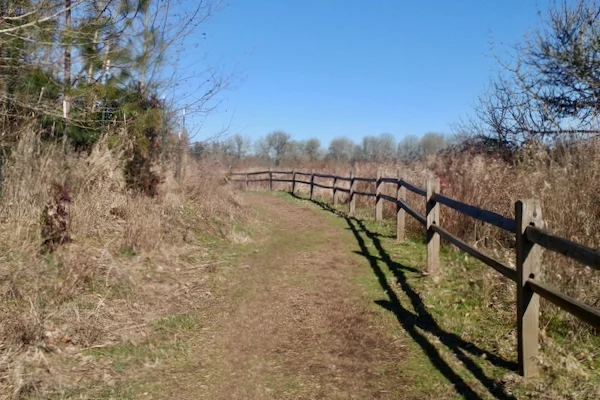
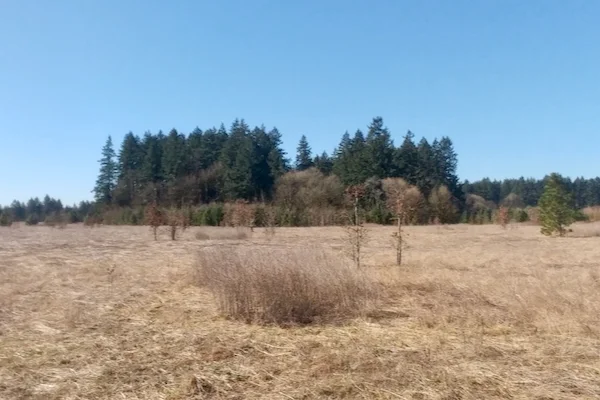
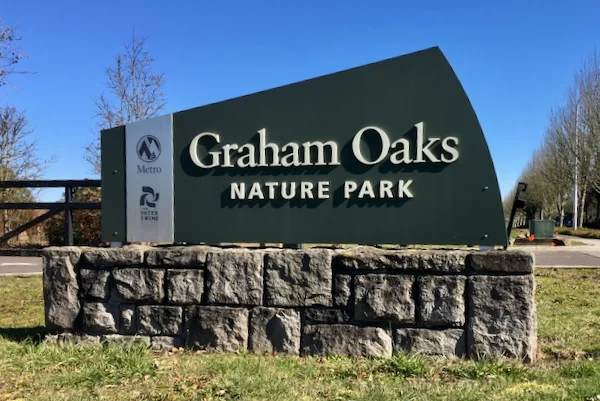
Our next stop was Graham Oaks Nature Park near Wilsonville. Here, we combined several trails through the restored Oak Savanna, one of the rarest ecosystems in the world. The park opened in 2010, and since then, over 150,000 native Oregon White Oaks and native grasses have been planted to restore this landscape. Because it takes an Oregon Oak 100 years to mature, only the grandchildren of the grandchildren will see the full effects of this restoration.


.
While we walked through the open grasslands, we were treated to a clear, snow-capped view of Mt. Hood on the horizon. The park is an oasis for wildlife, and we indeed spotted a small group of deer quietly grazing near the border of the woods. It’s incredible to think that this unique land was destined to become a massive landfill in the 1980s. However, a local community effort convinced the regional government, Metro, to preserve the area instead. And instead of filling the area with waste, they chose the restore and preserve it.
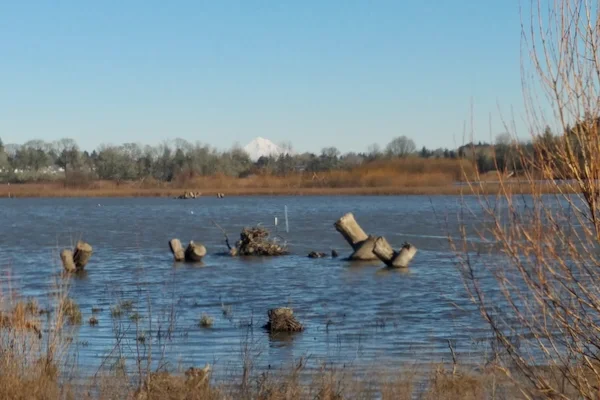
Jackson Bottom Wetlands, From Sewer to Sanctuary
- March 3, 2019
- 4.32 mi
- 1:17:24 hrs
- 45 °F