Bisbee and Tombstone, Two Former Mine Towns, Two Different Vibes

June 2021

Bisbee, Arizona’s Beautifully Strange Gem
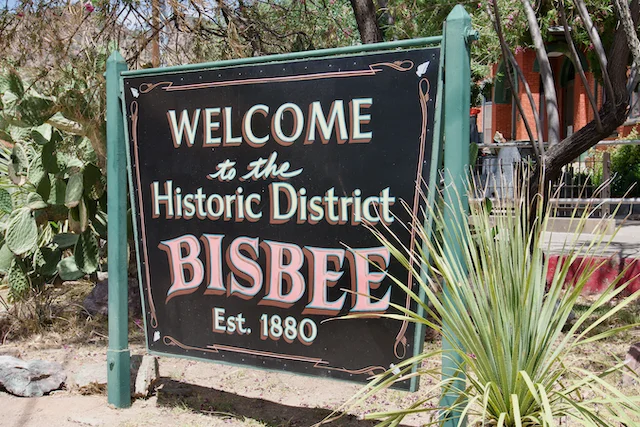
When I was on the phone with my friend Pam a few days ago and mentioned we were staying in Tucson, AZ, she suggested we visit Bisbee and Tombstone in the Mule Mountains, close to the Mexican border. Her husband’s ancestors actually came from the area, which made the trip feel a bit personal.
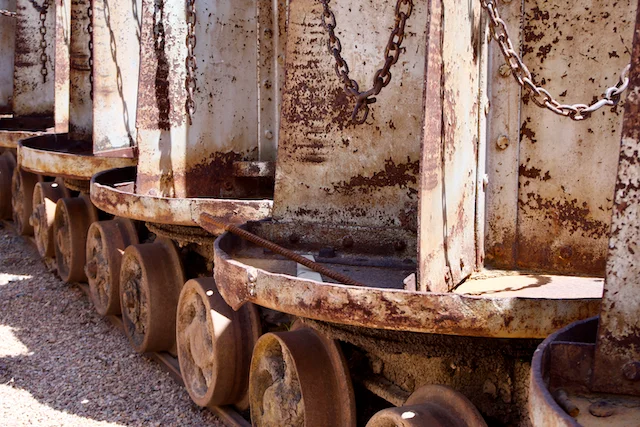
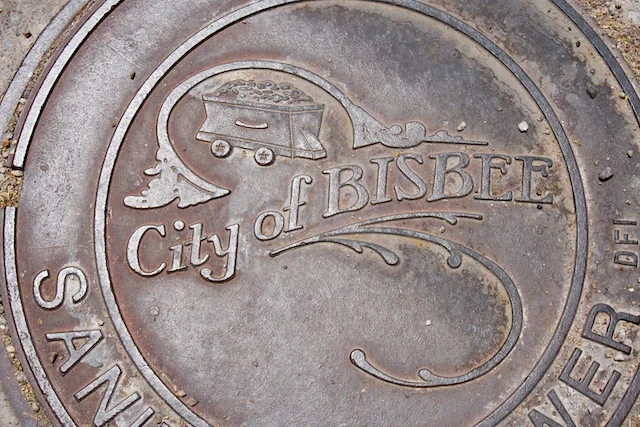
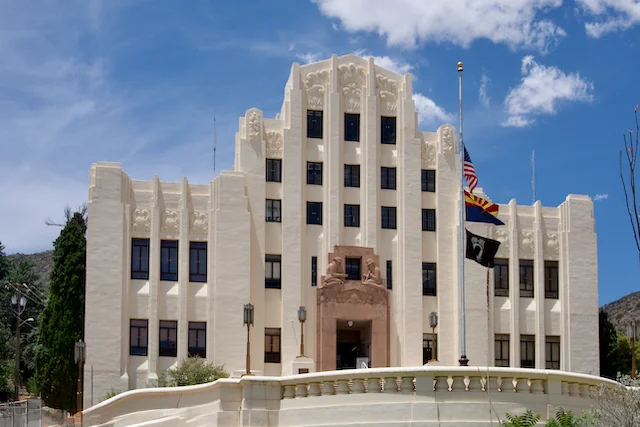
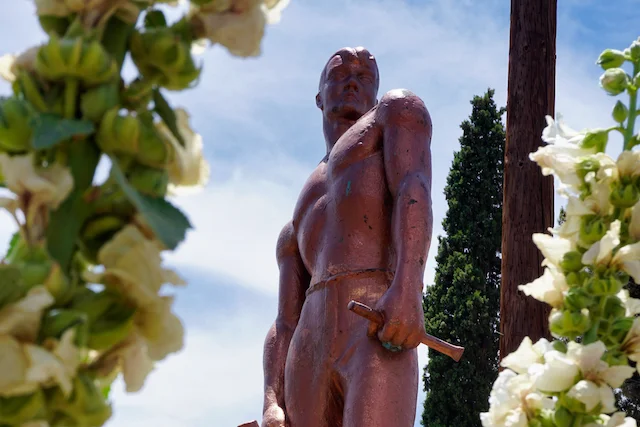
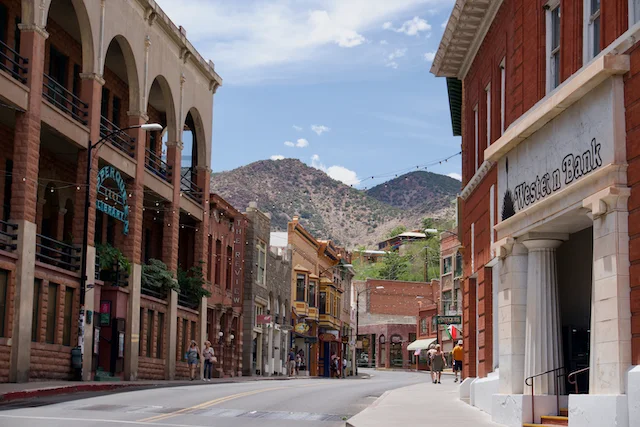
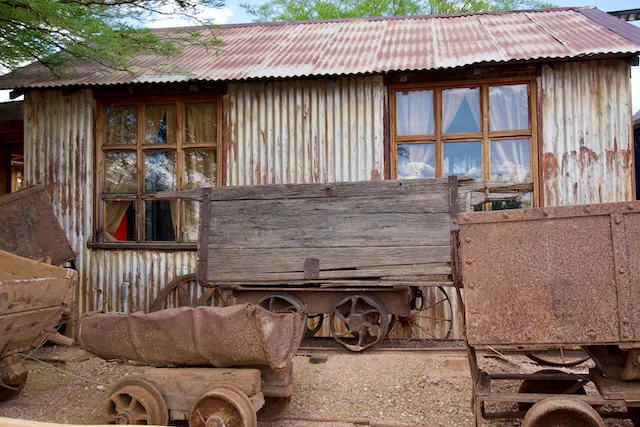
Following her advice, we spent a day in the area. When we arrived, we were welcomed by the “Welcome to the Historic District: Bisbee, est. 1880” sign. Back in the 1880s and ’90s, Bisbee was a flourishing, booming mining town. Walking around downtown, we could see that the city’s wealthy past is preserved in stunning buildings, such as the Art Deco Cochise County Courthouse and the old Western National Bank building. There were several other reminders of the mining history visible everywhere. We noticed weathered, rusty mine carts still sitting on narrow tracks, illustrations of mine carts engraved on cast-iron manhole covers, and an enormous copper statue of a heroic, shirtless miner.
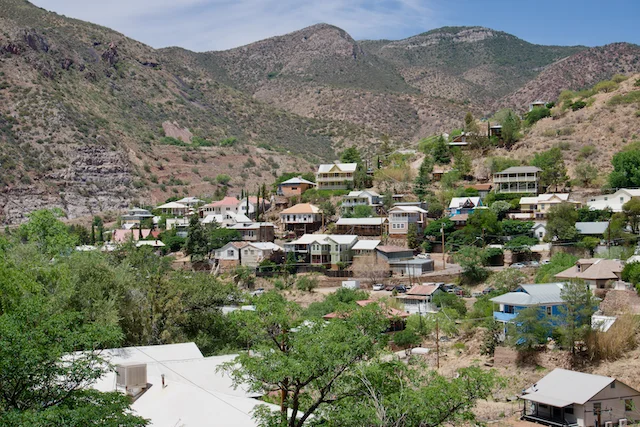
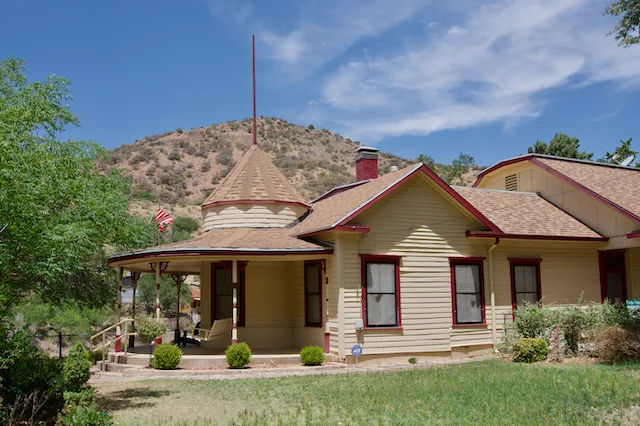
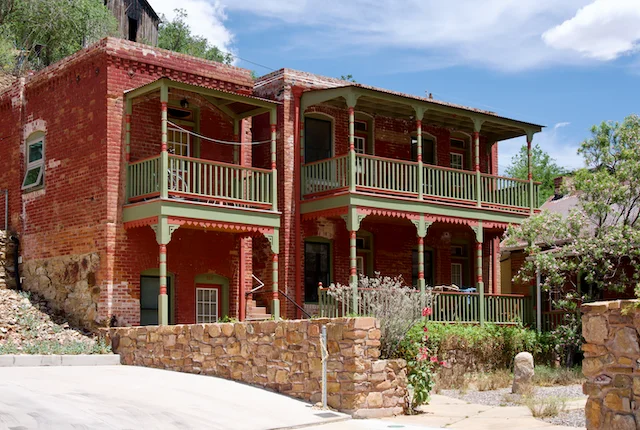
Today, the town welcomes tourists from all over the world. Bisbee underwent a major transition in the 1970s when the last mines closed. Many of the miners moved away, and artists and hippies began moving in, bringing a different kind of energy. On Main Street, we saw several hip, artsy stores. Even the houses, a mix of Victorian architecture and old mining homes scattered across the hills, are quirky.
Because of the town’s altitude, the cooler temperatures offered a refreshing break from the hot desert we had experienced since arriving in Tucson. Sitting in the shade with a pleasant breeze, we enjoyed a fantastic lunch outside at Contessa’s Cantina. I am so glad we followed my friend’s suggestion to visit this mountain town. We escaped the heat and discovered a beautiful, historic, and wonderfully strange gem.

Tombstone, The Town "Too Tough to Die"

After our lunch in Bisbee, we drove to Tombstone, a highly productive silver-mining town in the late 1800s. Founded in 1877, it grew into one of the largest cities in the American Southwest. At its peak, the town had over 100 saloons, an opera house, and even French restaurants.
Its historic main street offered a different vibe than Bisbee. 

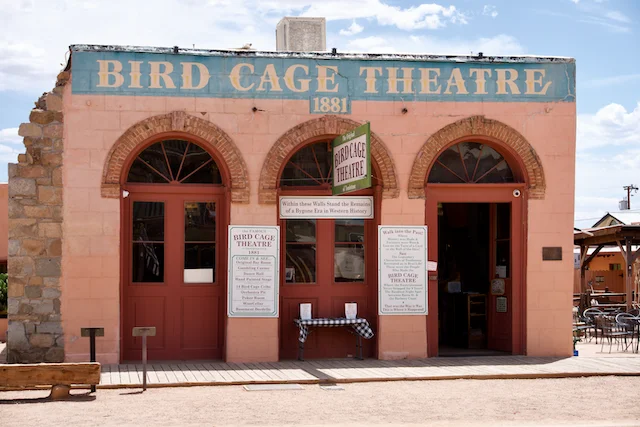
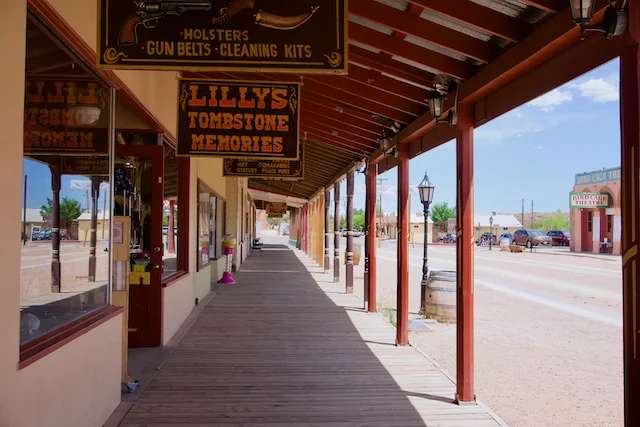
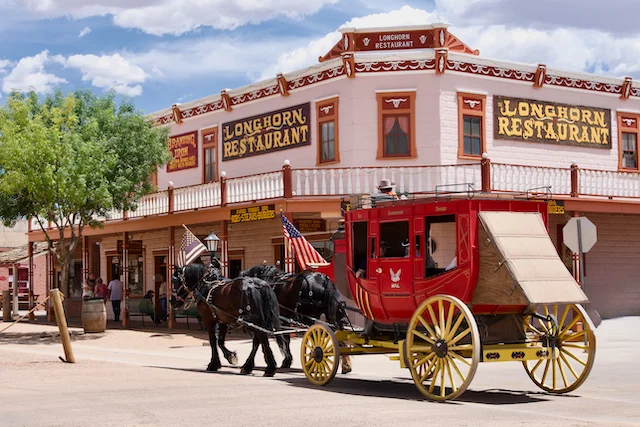
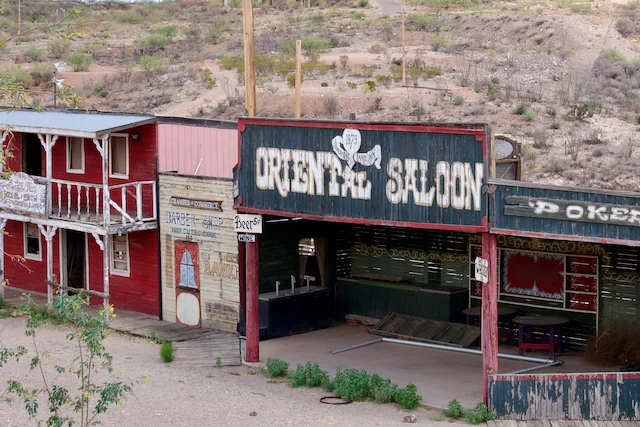
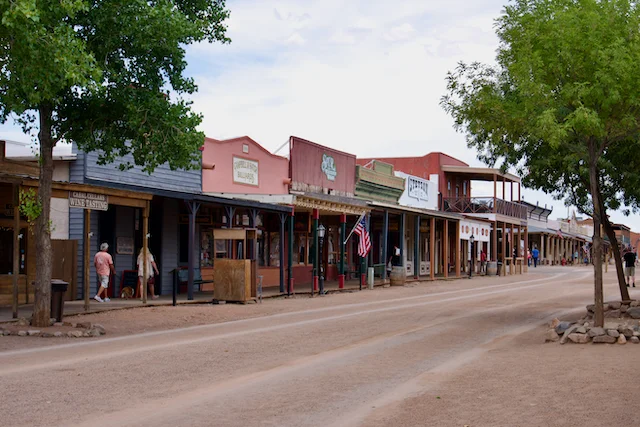
Allen Street looked like a surreal movie set, an odd mix of “Groundhog Day” and “Once Upon a Time in the West.” This main street was perfectly frozen in time, with its original boardwalks and swinging saloon doors. However, on the inside, we only saw expensive boutiques and souvenir shops.
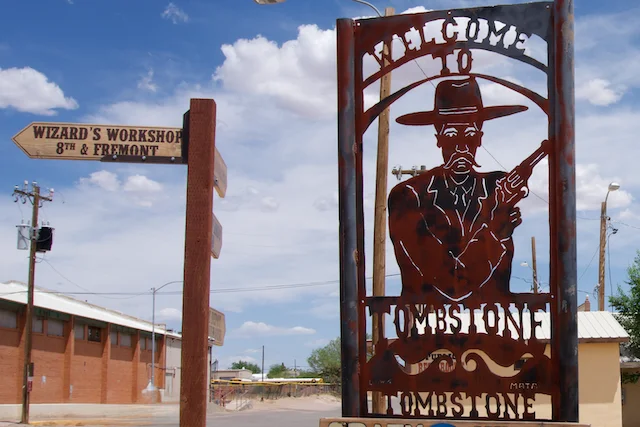
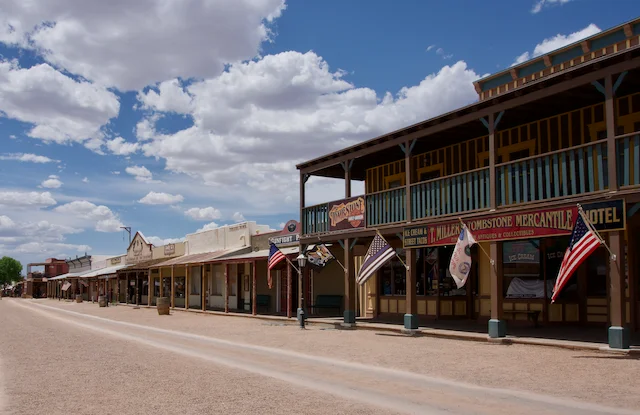
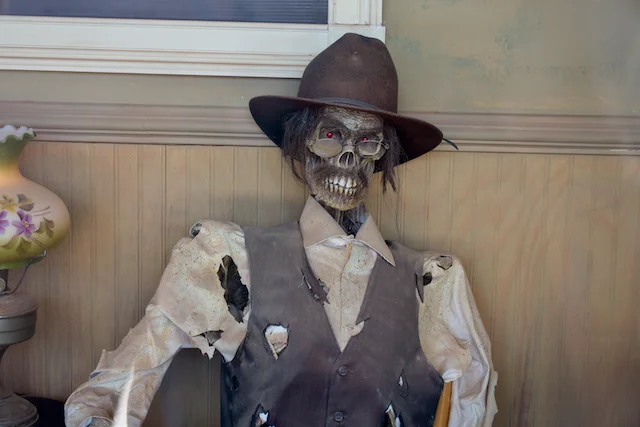
Another tourist attraction was the constant cycle of O.K. Corral re-enactments, which pay homage to the 1881 shootout between the Earp brothers and the “Cowboys.” Every afternoon, actors in period costumes re-enact that specific gunfight multiple times. The town felt less like a ghost town and more like an open-air theater, although some storefronts attempted to create that haunting atmosphere. After an hour, we had seen enough of this commercialized and “Disney-fied” version of the frontier, and we left to go home.

Two Former Mine Towns, Two Different Vibes

Driving back to Tucson, I couldn’t help but think about the different journeys these towns took after closing their mines. Bisbee felt genuine, a place where history and art naturally live together in the cool mountain air. Tombstone, on the other hand, felt theatrical, stuck in time and performing a show. I guess both towns do what they need to do to survive today.