
Exploring the Best of the Shawnee National Forest
May 2024
Discovering Shawnee Nature's Gems
Our journey through Shawnee National Forest was an unexpected discovery of Southern Illinois’ hidden gems. While living in Illinois near Chicago, we never knew that this part of the state was so beautiful! Each stop offered a new perspective.
Getting Lost at The Little Grand Canyon
- May 24, 2024
- 2.34 mi
- 0:57:09 hrs
- 75 °F
We started our Shawnee adventure at the Little Grand Canyon, a wilderness that certainly lives up to its impressive name. We followed the loop trail, which would lead us from the high rim down into the canyon floor. At the main overlook, one of the highest points in the area on the edge of the 300-foot sandstone bluffs, we got a great look at the canyon wall, though the Mississippi River valley and the Big Muddy River remained hidden behind the thick brush.
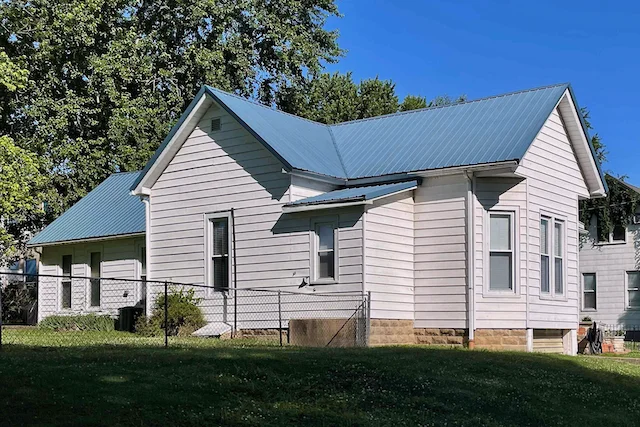

We continued our hike, thinking we were on our way to the canyon floor. However, we apparently missed a trail marker and got lost, missing our destination. Even though we didn’t complete the loop according the official route, our alternative path involving a steep climb proved the “Canyon” part of the name was not exaggerated!
Bald Knob Mountain, The Beacon of the Forest
- May 24, 2024
- 0.39 mi
- 0:14:55 hrs
- 75 °F
We also visited Bald Knob Mountain, the highest point in Southern Illinois. This was a visit not to nature’s architecture, but to a man-made wonder. At the top of the mountain is the Bald Knob Cross of Peace, a massive 111-foot-tall monument that is visible for miles across the Shawnee National Forest.
The idea for the cross began in 1937, when two local men wanted to create a place where people of all backgrounds could gather in peace. To fund the massive project, the local community got creative and started raising and selling pigs specifically for the cause. Despite their effort, it still took many years of persistence to complete the structure.
The founders didn’t want a landmark tied to a single religion, but rather a monument that shared the universal values of Faith, Hope, Charity, and Peace to promote harmony between all people. High on the mountain, with a view over 7,500 square miles of the surrounding wilderness, the symbolism of the Cross of Peace sending these four “cornerstones” out across the world felt even more inspiring and uplifting.
The Pomona Natural Bridge, Hidden in Plain Sight
- May 24, 2024
- 0.52 mi
- 15:36 min
- 73 °F
We stumbled upon another gem in Shawnee National Forest in what feels like the middle of nowhere, the Pomona Natural Bridge.
A short hike through an old-growth forest of oak and beech led us to this massive, 90-foot sandstone arch that spans a rocky ravine. What makes this bridge so special is that, unlike many natural landmarks we have seen, we could walk right across the top and then loop down to the shaded grotto underneath.
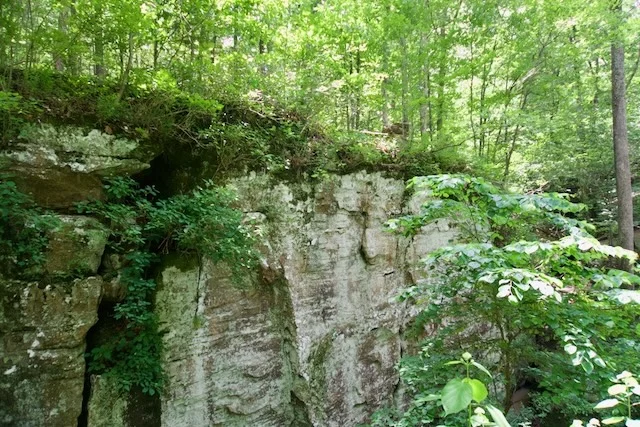
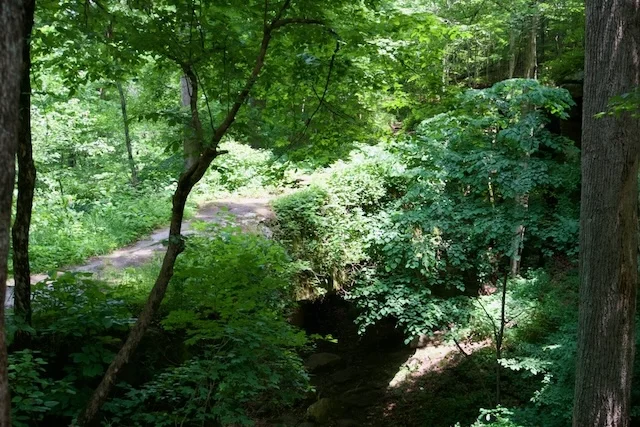
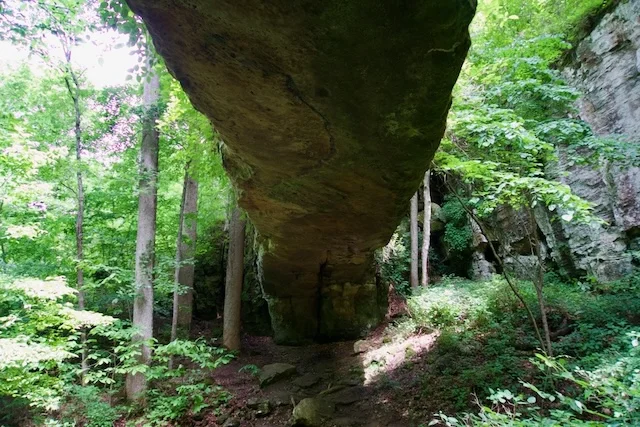
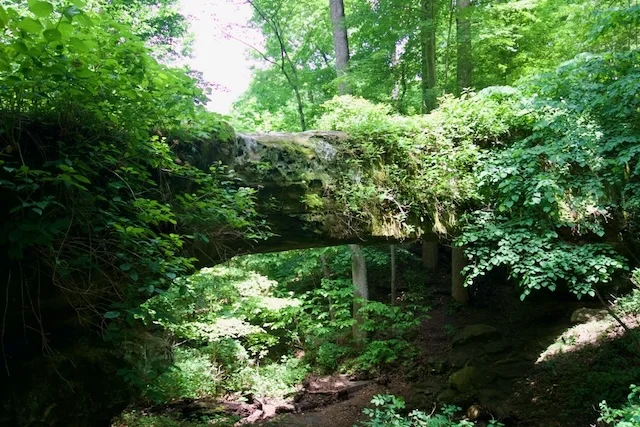
This allowed us to get a fantastic “bird’s-eye view” from the top of the ravine and a “worm’s-eye view” of the 30-foot-high arch above us. Only by standing beneath the arch did we realize the enormous scale of this majestic natural wonder, carved by millions of years of erosion.
A Gloomy Day at the Garden of the Gods
- May 25, 2024
- 1.80 mi
- 0:52:59 hrs
- 72 °F
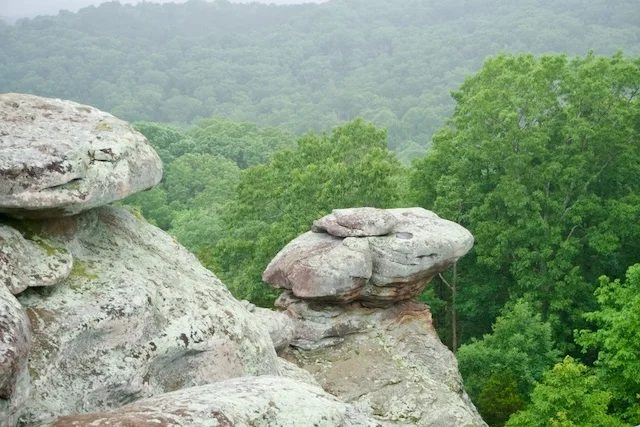
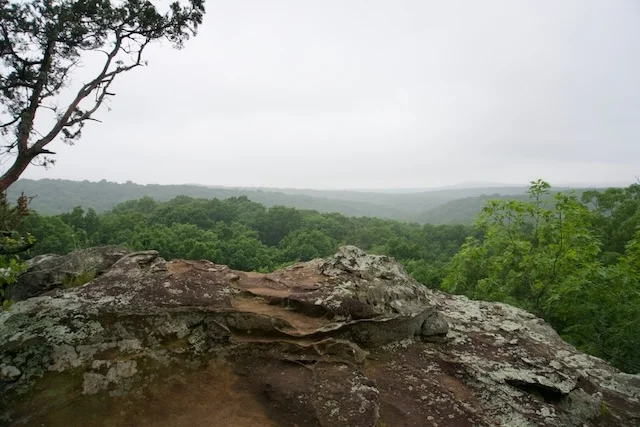
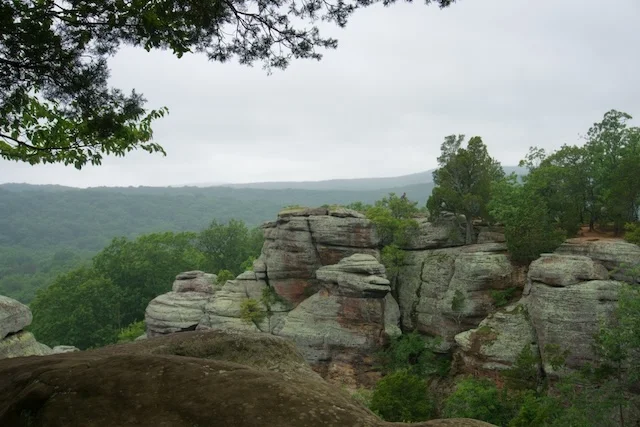
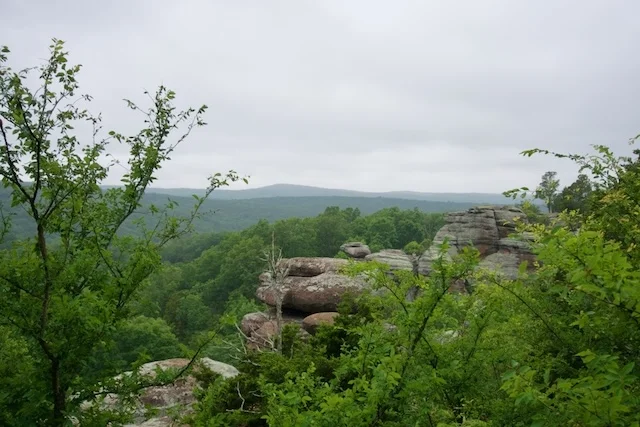
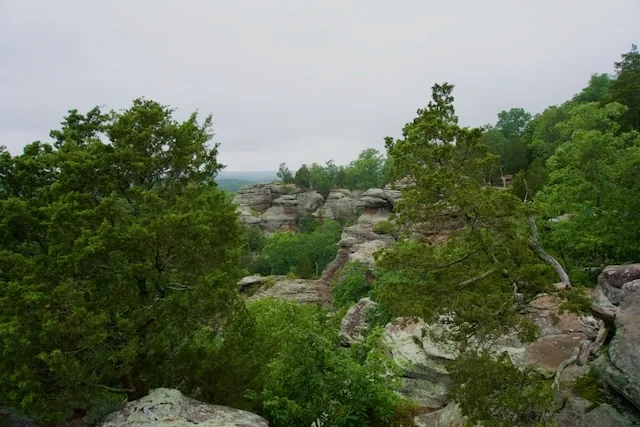
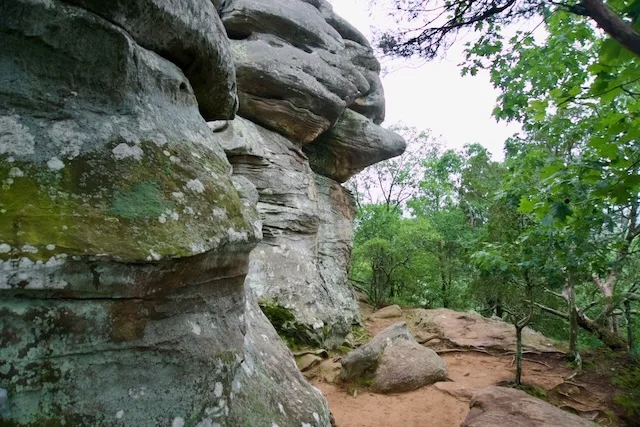
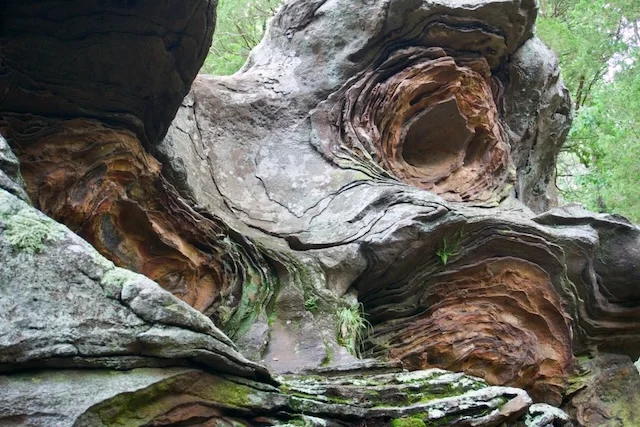
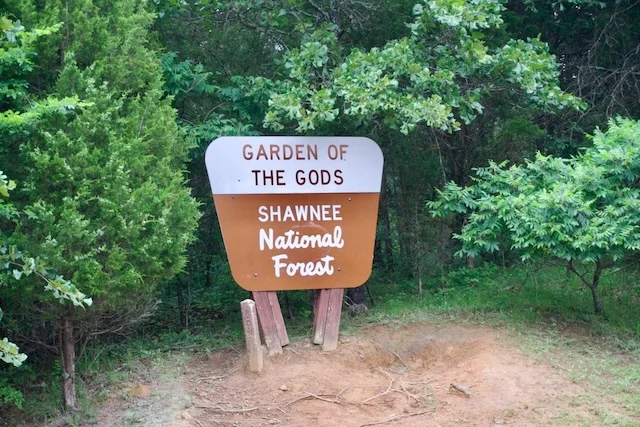
Southern Illinois surprised us again just a day later with another hidden gem: the Garden of the Gods. In the heart of the Shawnee National Forest, these giant rock formations were sculpted over millions of years by weathering. We followed the Observation Trail, a short loop that runs through massive sandstone boulders, including the iconic Camel Rock. Despite the low clouds and gloomy sky, the panoramic views of the forest remained spectacular. However, once I captured my photos, I quickly traded the wet sandstone edge for the solid ground of the trail. My fear of heights combined with slippery rocks was and always is just not a good mix!
A New Light on Illinois
After these four visits, we had to admit that we never imagined Illinois had more to offer than the flat prairies and suburbs of the north. Southern Illinois is surprisingly beautiful and empty. Shawnee National Forest showed the state in a completely new light for us.