
Georgia's Antebellum Trail
Georgia’s Antebellum, Spared by the Flames
We got a glimpse of the Old South’s history. The Antebellum Trail took us through Georgia towns that survived Sherman’s March to the Sea in the Civil War. As General Sherman traveled from Atlanta to Savannah, his troops split into groups. Some towns were spared because they were bypassed, some surrendered to avoid being burned, and some became headquarters for Union officers.
Our Start at Macon, The City of Churches and Cinema
- April 7, 2022
- 2.72 mi
- 1:07:53 hrs
- 65 °F
We began our trip in Macon, founded in 1823. It is the southernmost town on the trail near the Ocmulgee River. Macon, called the City of Churches, has more than 6,000 buildings listed on the National Register of Historic Places across 14 historic districts. It survived the war in part because it was an important medical and supply center.
While walking around, we weren’t allowed to take any pictures because of a movie in the making. We learned that Georgia is at the heart of today’s film industry. It is no surprise, though, that film producers like to shoot here in Georgia. Georgia has beautiful towns, a stunning countryside, mountains, and endless forests; the generous tax incentives help as well, of course.
Short Stops at Old Clinton, Milledgeville, and Eatonton
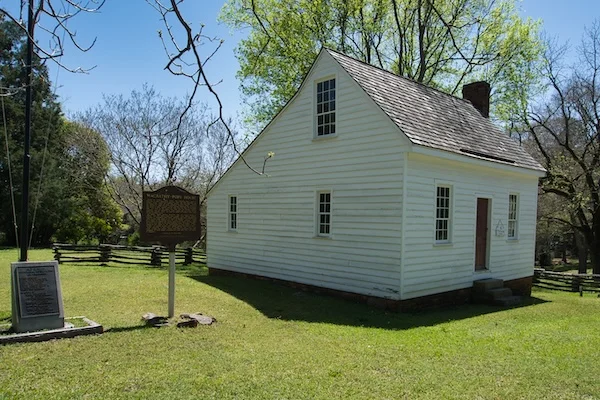
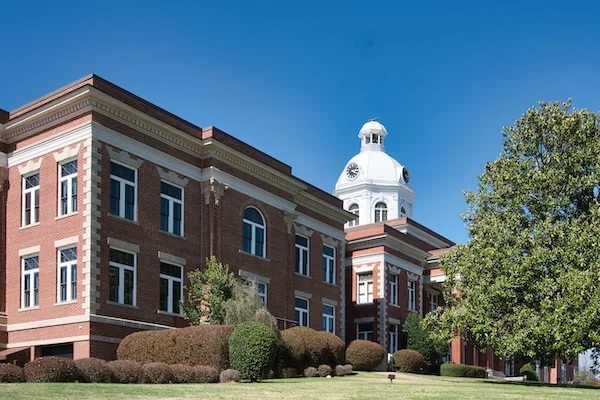
Old Clinton was once one of Georgia’s most prosperous cotton centers. Today, it is a true “time capsule” town. The railroad bypassed the town, and after the war, it stopped growing, perfectly preserving its 1800s layout.
- April 7, 2022
- 1.57 mi
- 0:37:07 hrs
- 73 °F
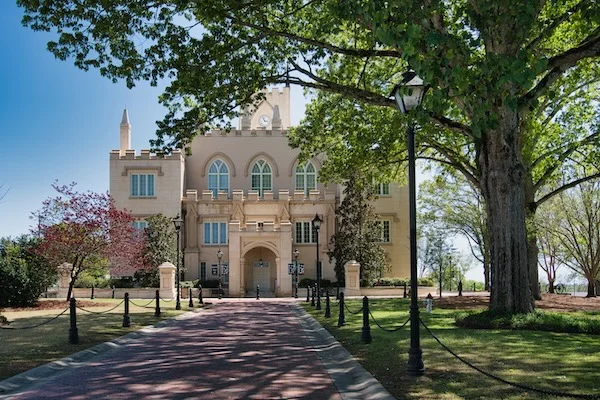
Milledgeville was the Capital of Georgia during the Civil War, from 1804 to 1868. Because it was the capital, it was a major target during Sherman’s March. While Sherman’s troops occupied the town and burned the state penitentiary and some arsenals, they spared the Old Governor’s Mansion and the Old State Capitol Building.
.
- April 7, 2022
- 0.32 mi
- 8:11 min
- 73 °F
Eatonton is famous for being the “Dairy Capital” of Georgia. The town is filled with “Plank Road” era architecture and features a statue of Br’er Rabbit on the courthouse lawn.
A Chilly Finale to the Trail
Two days later, we returned to where we had left off and completed the Antebellum Trail. A cold front had reached the area, and wandering around today was just uncomfortable. So, our walks were shorter than usual since we cherry-picked the highlights we wanted to see.
Madison, Watkinsville, and Athens, The Final Antebellum Gems
- April 9, 2022
- 1.33 mi
- 0:30:13 hrs
- 45 °F
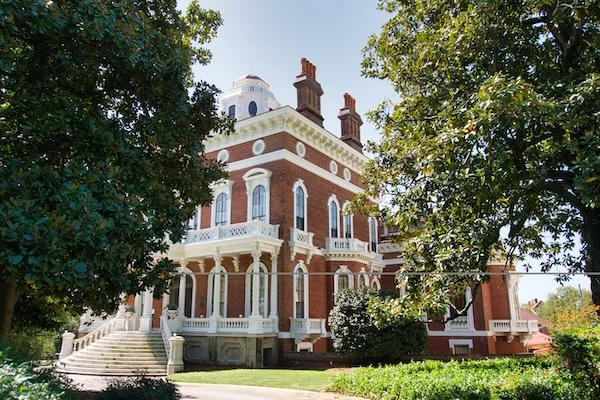
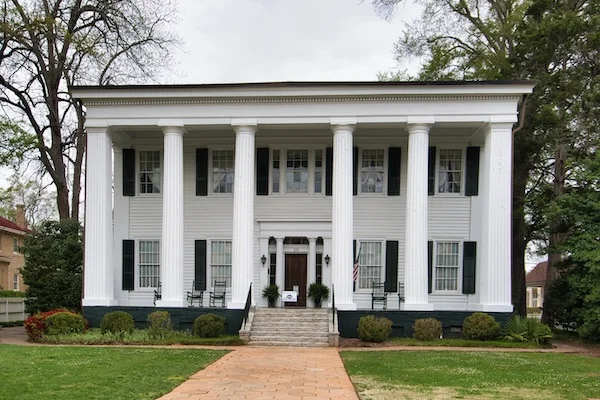
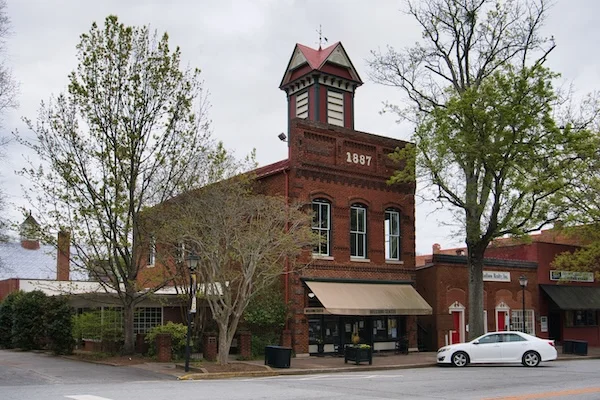
Madison is often called “the town Sherman refused to burn.” It is considered one of the most beautiful small towns in America, and it’s easy to see why. We visited Heritage Hall, a Greek Revival mansion from 1811 with massive white columns. We also stopped by the Welcome Center, a charming brick building from 1887 that once served as the town’s fire station.
- April 9, 2022
- 0.16 mi
- 3:42 min
- 46 °F
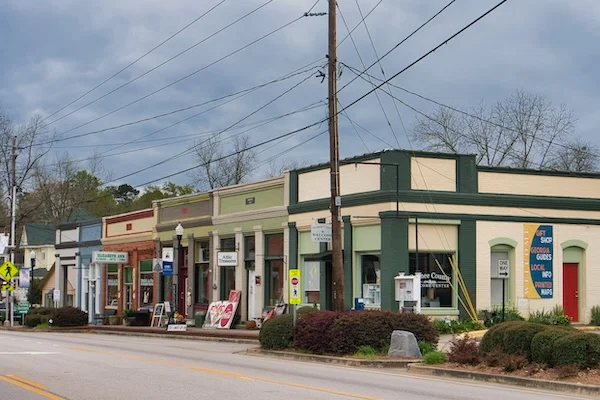
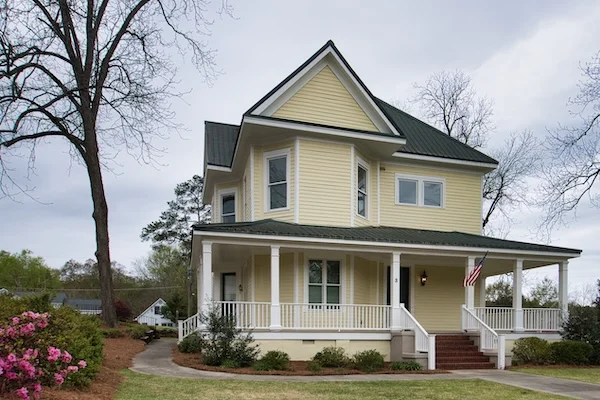
Watkinsville is known as the “Artland of Georgia.” The town was a former frontier site and is home to the Eagle Tavern, one of the few remaining stagecoach stops from the late 1700s. We walked through the colorful downtown area and admired the charming Victorian homes that make this town feel so welcoming.
- April 9, 2022
- 1.18 mi
- 25:54 min
- 48 °F
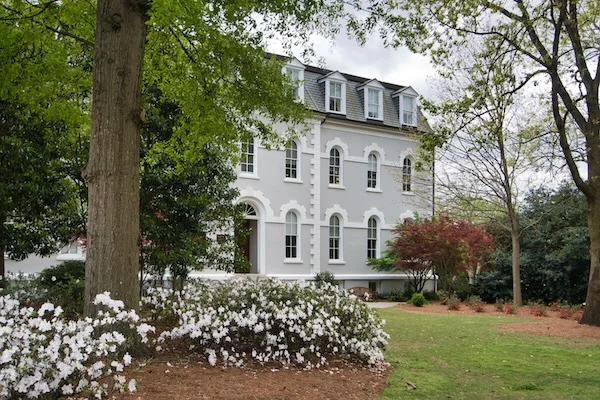
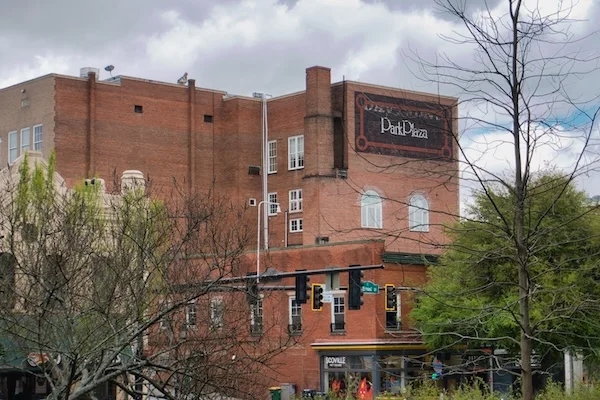
Athens, the “Classic City,” is home to the University of Georgia. It had a great mix of grand campus buildings and a vibrant downtown area. We ended our sightseeing tour here with a delicious lunch at Five, a hip restaurant with an industrial interior!
The Survivors of the March
Over these two days, we enjoyed the unique 19th-century character of each Antebellum town. In general, wars are defined by destruction, so it is truly unique that this 100-mile collection of towns survived Sherman’s March to the Sea. Thankfully, whether by luck, surrender, or charm, these survivor towns gave us a chance to have a peek into Georgia’s 19th-century life.