Harriet Tubman, The Moses of Her People

June 2025

Harriet Tubman, The Moses of Her People​

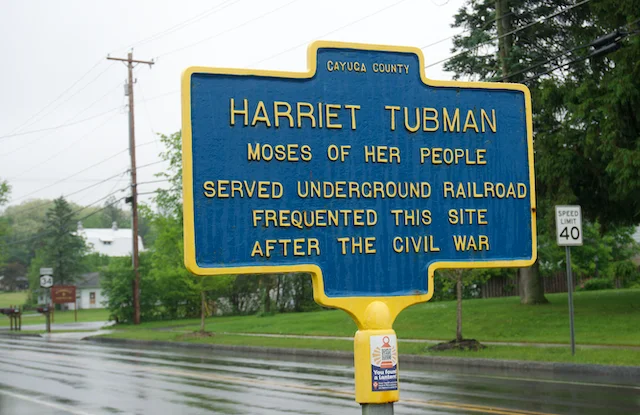
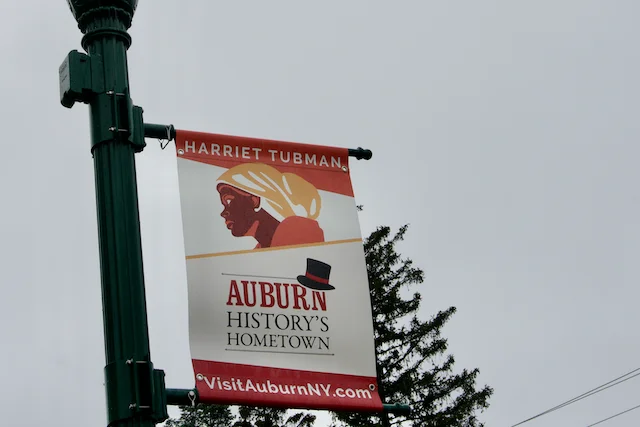
We had already seen Harriet Tubman’s name several times during our travels, reading markers about her significant role in the Underground Railroad. Today, however, we learned about this courageous woman in much greater detail. In Auburn, NY, where Tubman lived in freedom with her family and attended church, this important piece of American history is preserved within the Harriet Tubman National Historical Park.

Harriet Tubman was born enslaved in Maryland around 1822. Guided by a persistent faith and a traumatic childhood head injury that she believed allowed her to hear the voice of God, she emancipated herself in 1849. She then spent a decade as a “conductor” on the Underground Railroad, tirelessly helping more than 70 people find freedom. Her courage earned her the nickname “Moses,” after the biblical figure who led his people from slavery to freedom.
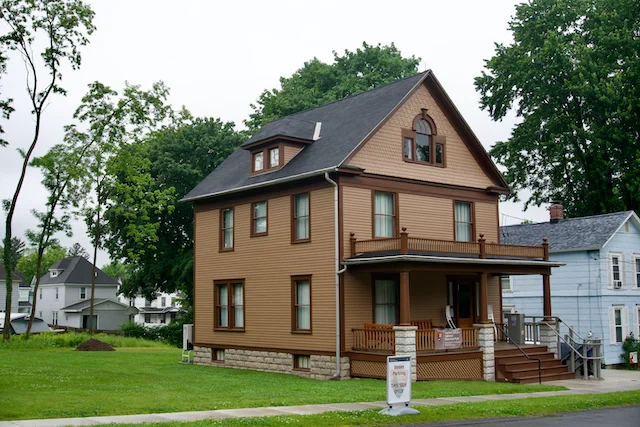
We began our visit at the Visitor Center and were invited to join a guided tour. I found myself completely captivated by her amazing story. Afterward, we toured her home, which included another excellent explanation of her life and the deep significance of this location.

A Sanctuary in Auburn

In 1859, Tubman purchased land in Auburn, New York, from the abolitionist Frances Seward. Here, she settled with fellow freedom seekers, providing a sanctuary for her family and others. Within the safety of this community, Tubman committed herself to advocating for civil rights and women’s suffrage. She also established the Harriet Tubman Home for the Aged to offer refuge to the elderly and less fortunate.
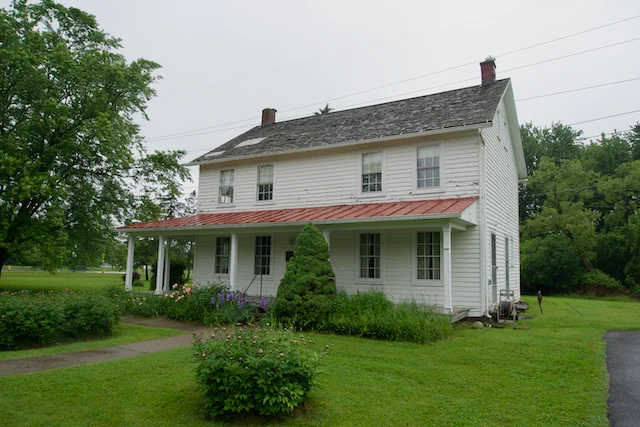
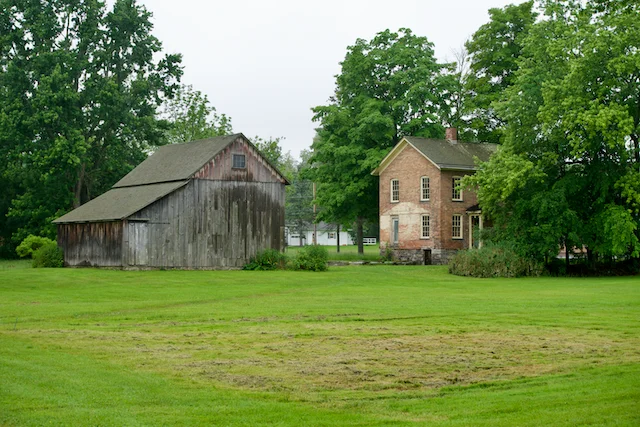
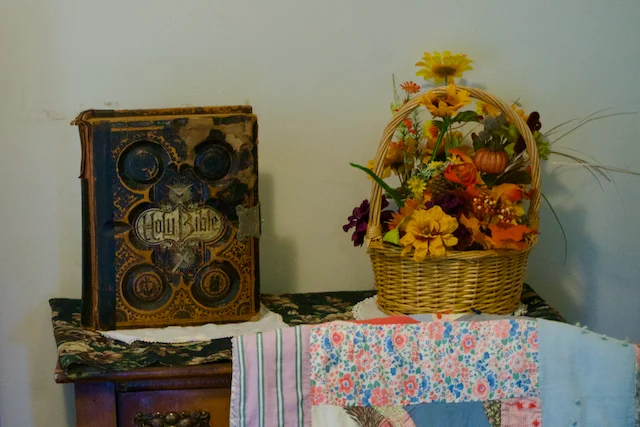
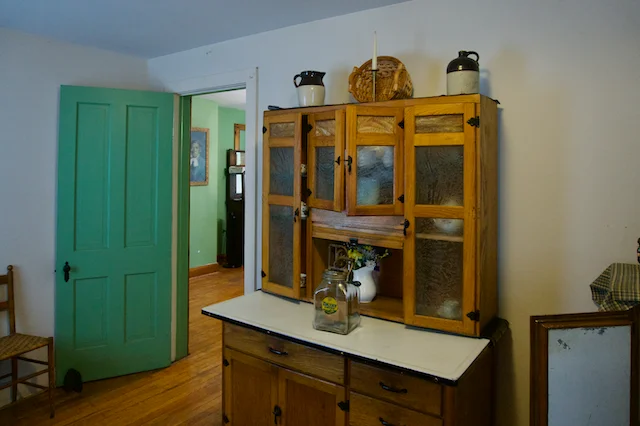
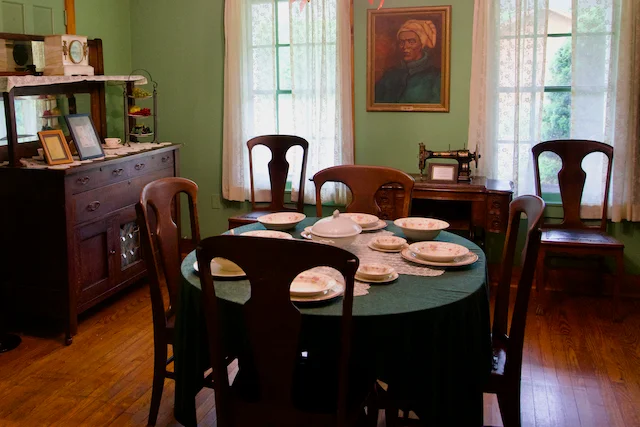
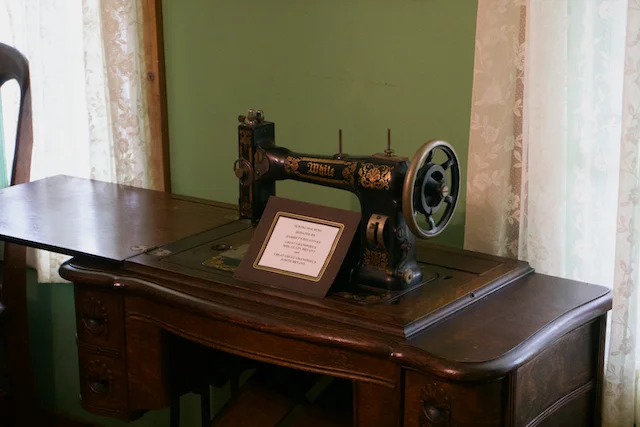
The interior of her home reflects the foundations of her life, with her Holy Bible signifying her deep faith, and the modest kitchen and dining table that welcomed many people. Her sewing machine, a donation by her descendants, reflects the practical skills she used to support both her family and her many causes.

Resting in Freedom

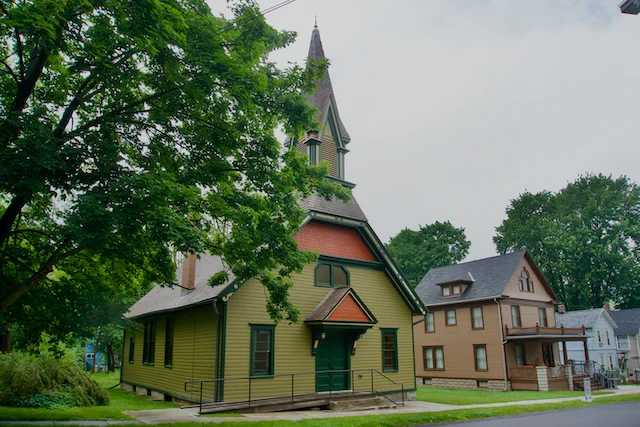
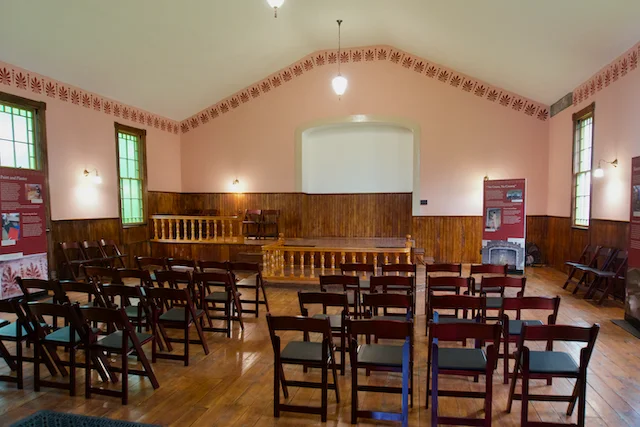
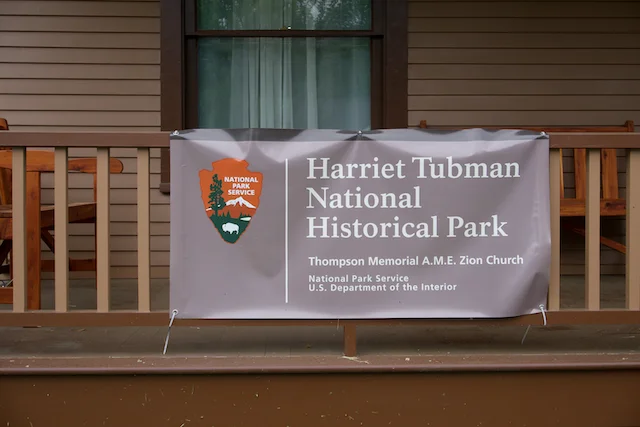
After our visit to her home, we drove to another part of the National Historical Park: the Thompson Memorial African Methodist Episcopal Zion Church on Parker Street. The ranger kindly opened the church doors for us to enter. In 1891, Tubman provided financial support at the start of the church’s development and remained a part of this congregation for the rest of her life. Because she had been such a devoted member, her funeral was held here in 1913.
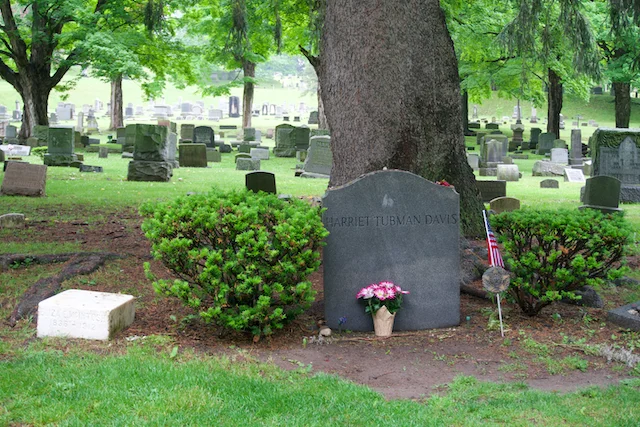
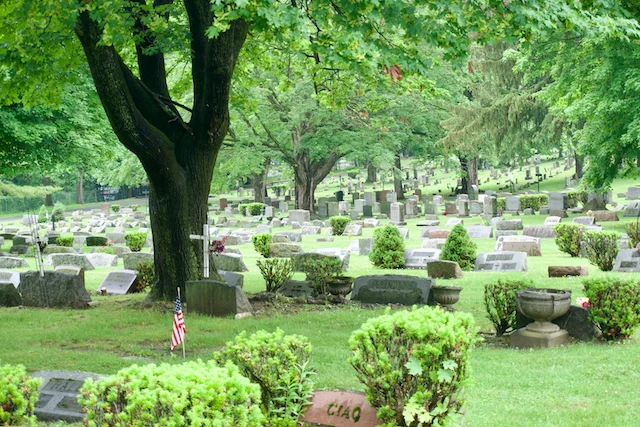
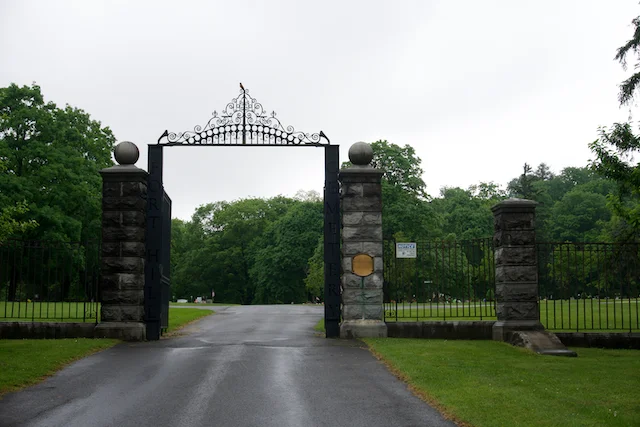
After we had read the information and taken some photos, we went to see her gravesite across the street in Fort Hill Cemetery. Her simple resting place is in a beautiful, peaceful setting under the tall trees. She was buried with military honors because she also served as a scout and nurse during the Civil War. And here, we said goodbye to this amazing woman with a one-of-a-kind story!