Petroglyph NM, Albuquerque’s Ancient Canvas
June 2021
Exploring Albuquerque’s Ancient Canvas
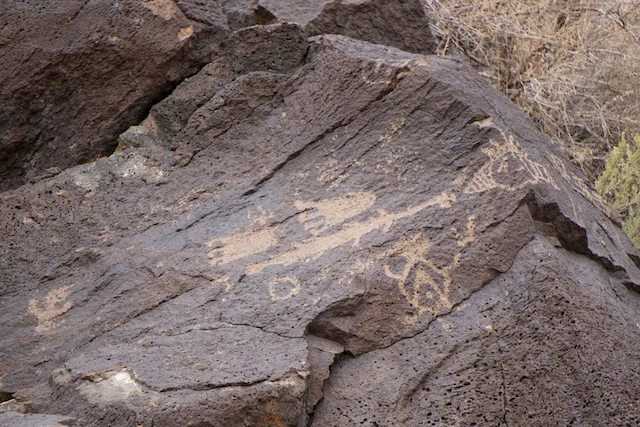
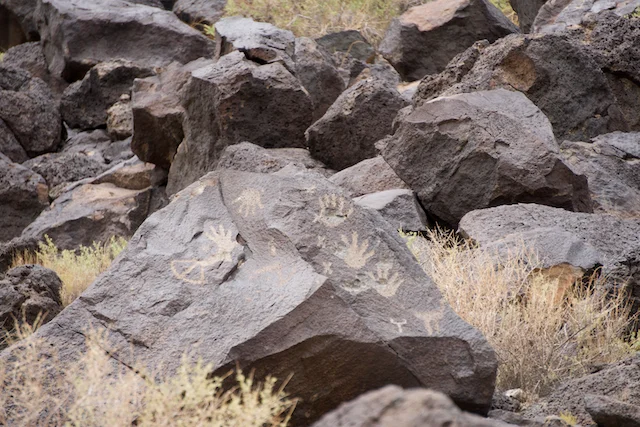
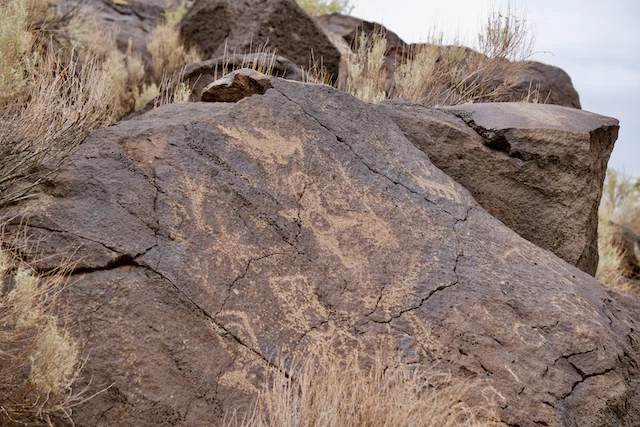
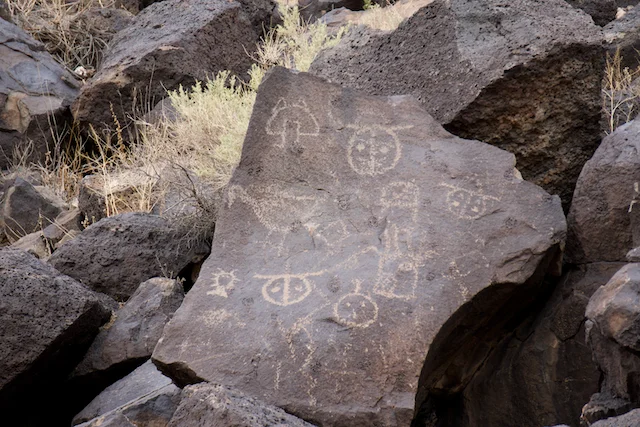
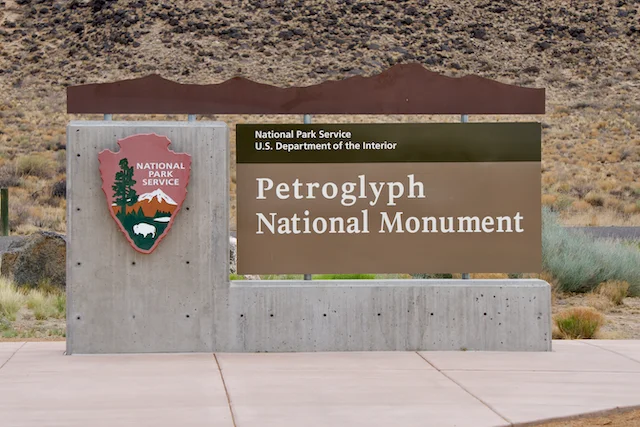
We were on our way early to visit the Petroglyph National Monument in Albuquerque, NM. This monument protects one of the largest petroglyph sites in North America, preserving designs chipped into the dark “desert varnish” of volcanic rocks by Ancestral Puebloans and early Spanish settlers between 1300 and 1680 AD.
The Stones and Carvings of Rinconada Canyon
- June 28, 2021
- 2.19 mi
- 0:48:31 hrs
- 66 °F
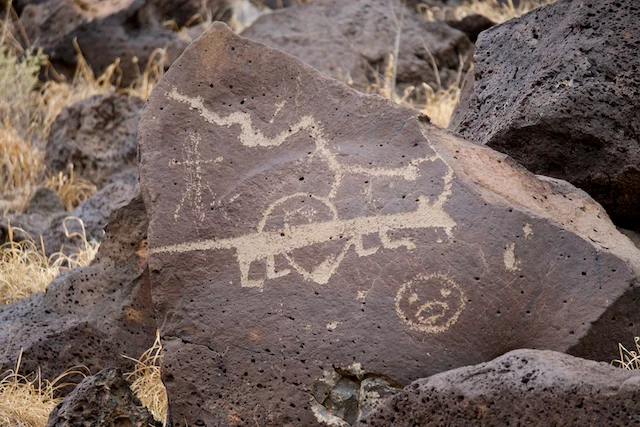
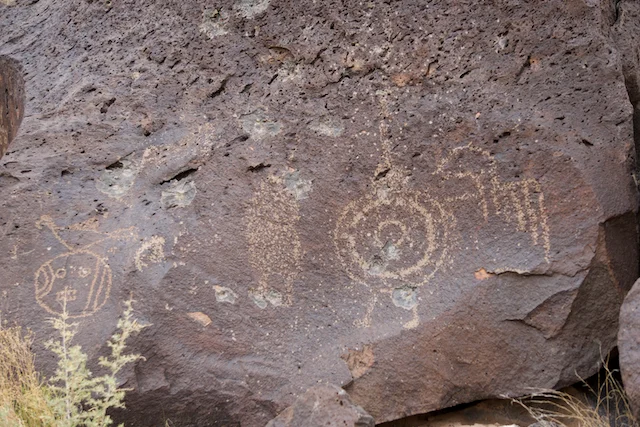
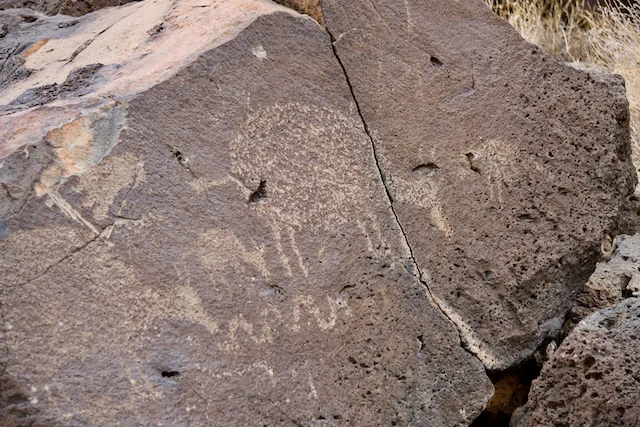
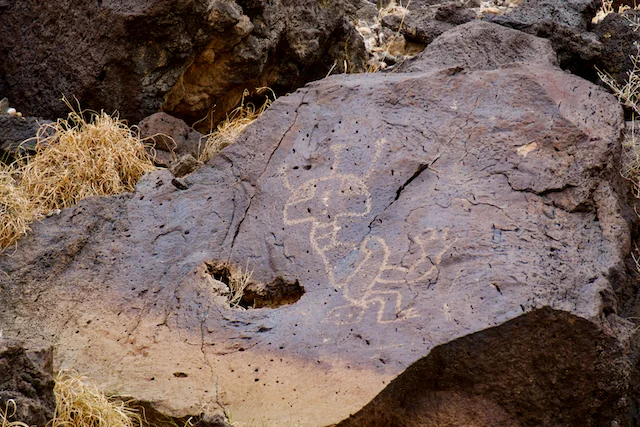
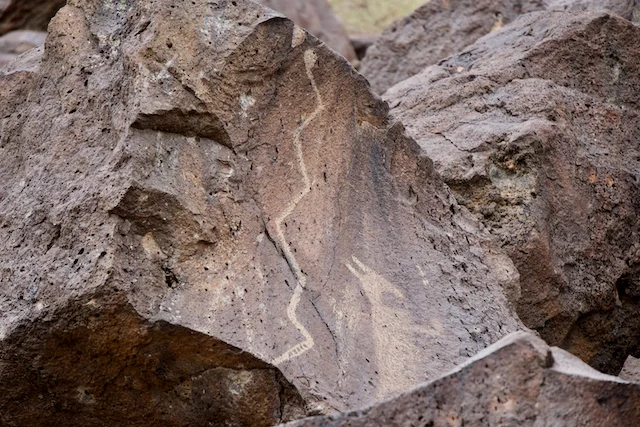
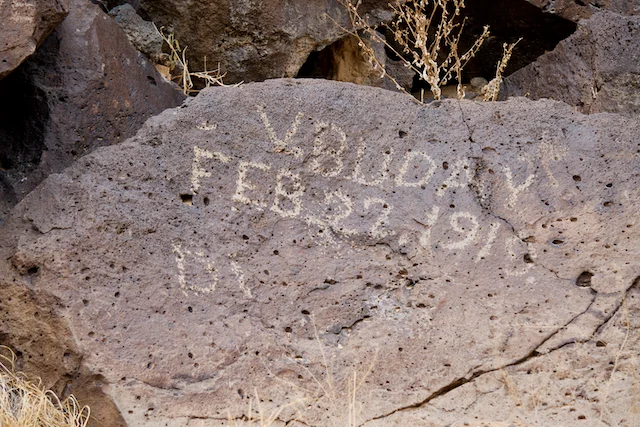

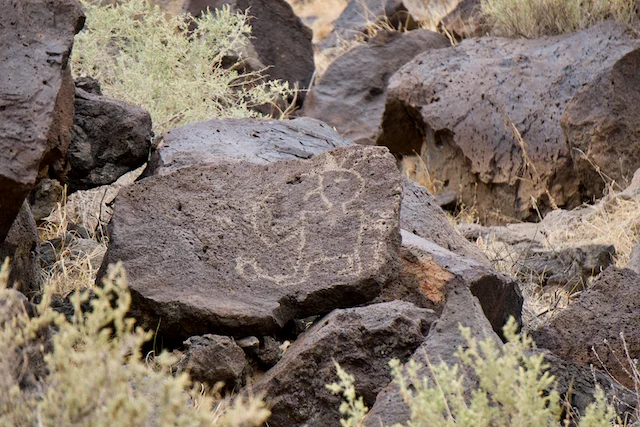

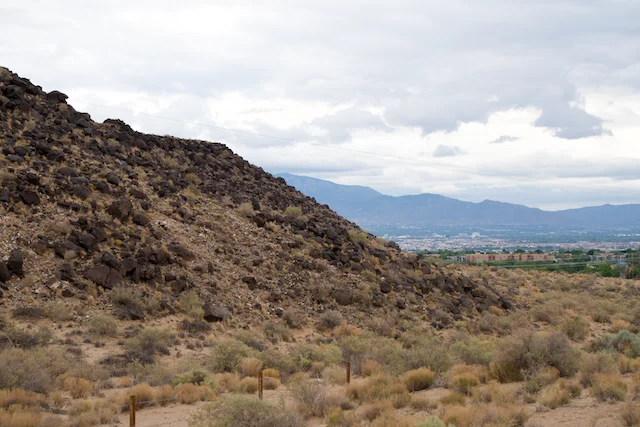
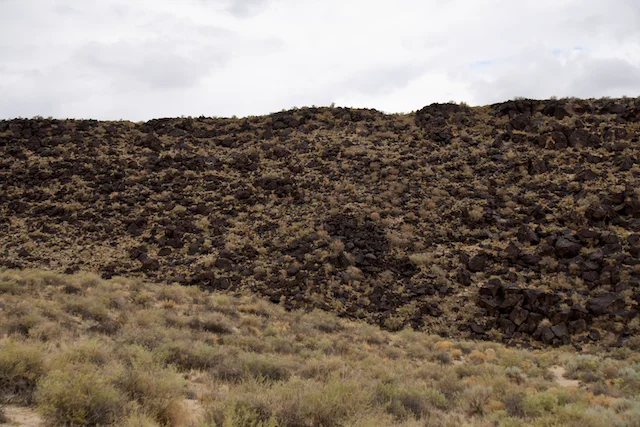
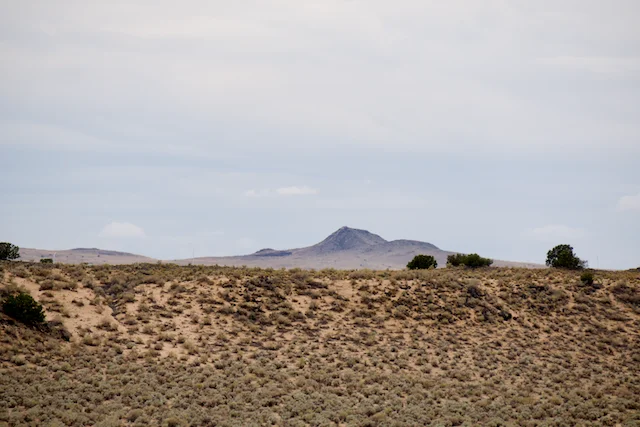
Because Albuquerque expanded rapidly across the West Mesa before the area was officially designated a National Monument in 1990, houses were built right against the park boundary lines. Looking at ancient rock art on one side and residential rooftops on the other created a sharp contrast between sacred heritage and modern urban growth.
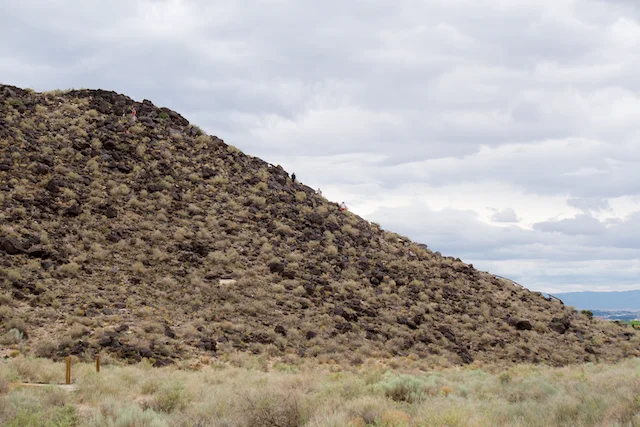
Climbing the Basalt Stairs at Boca Negra Canyon
- June 28, 2021
- 0.51 mi
- 0:34:07 hrs
- 68 °F
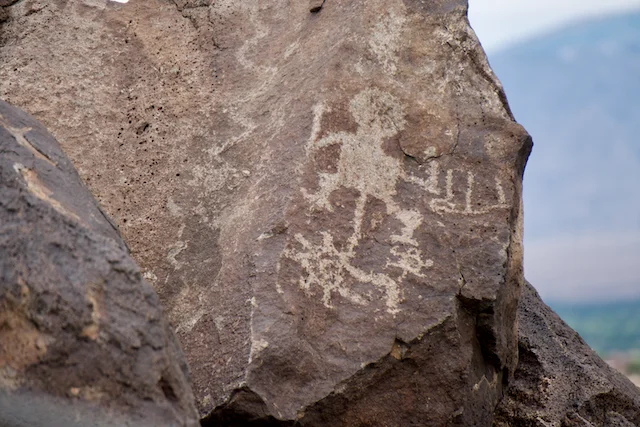
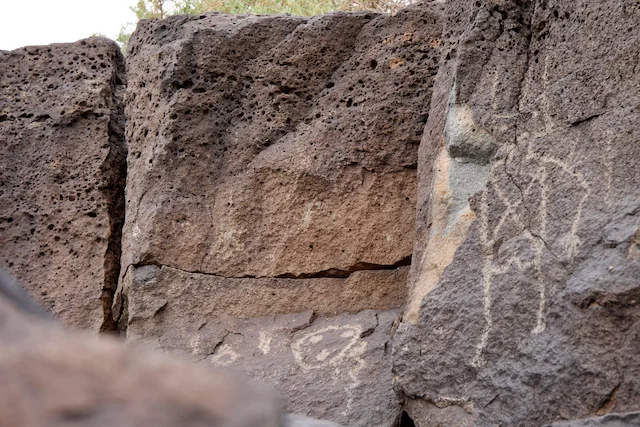
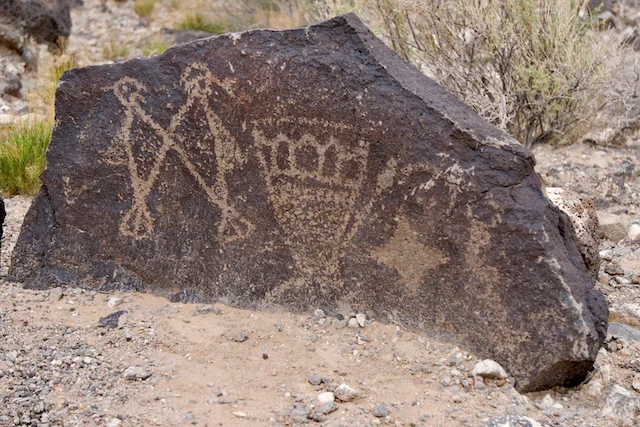
We did our second exploration at Boca Negra Canyon, three miles north of Rinconada Canyon. Here, we found another amazing gallery of ancient art carved into the volcanic rocks. These petroglyphs are characteristic of the Rio Grande style, featuring geometric designs, animals, human-like figures, and symbolic cloud and rain motifs.
.
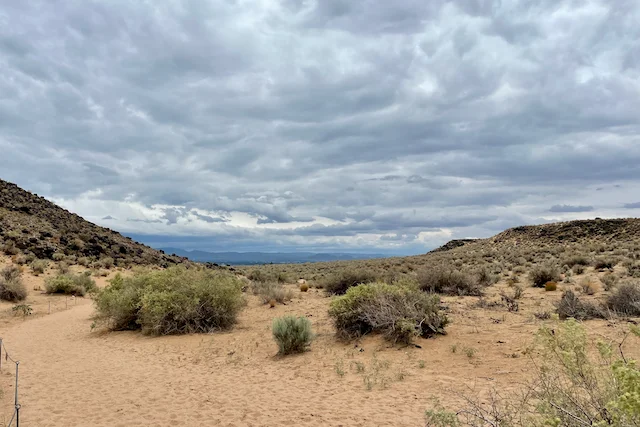
Piedras Marcadas Canyon, the Sand Trail of the Ancient World
- June 28, 2021
- 1.99 mi
- 0:46:01 hrs
- 68 °F
Our third and last hike in the National Monument was at Piedras Marcadas Canyon, located about five miles farther north along the volcanic slope. Here, we saw the most dense gallery of ancient art in the entire monument.