
Revisiting Mount Rushmore with a Changed Perspective
July 2021
Returning to the Black Hills
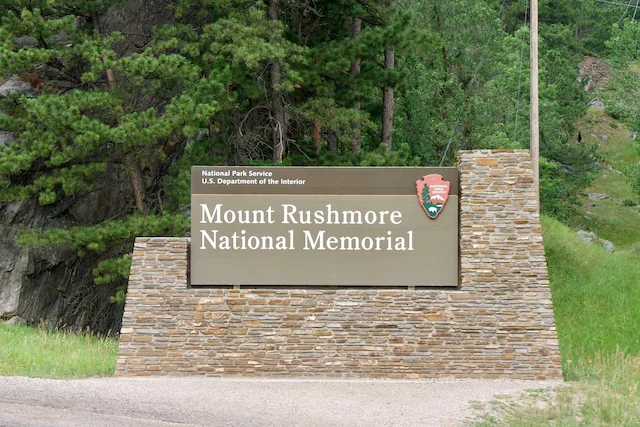
The drive to Mount Rushmore National Memorial was smooth, marking our second visit there since returning from our Yellowstone vacation in August 2008. As our car worked hard to climb the final, steep stretch into the Black Hills of South Dakota, I couldn’t help but think about the complex legacy of the massive monument. It was only after our first visit that I learned about the controversial history that surrounds the site.
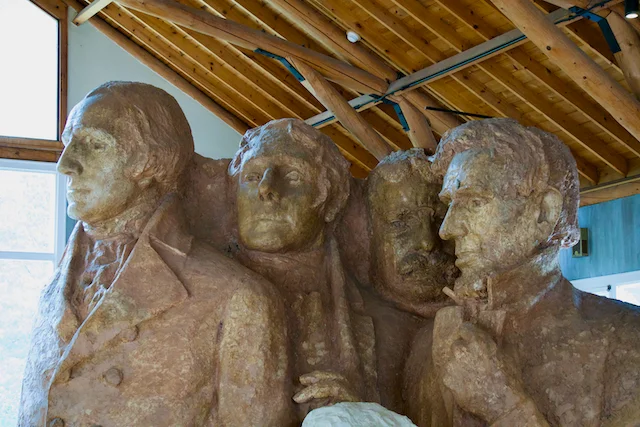
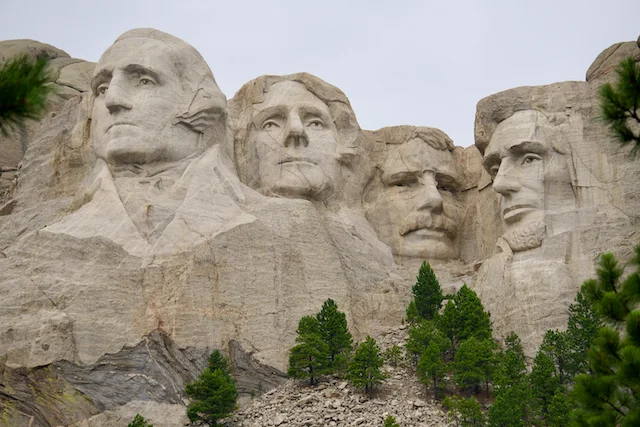
Carved in Disrespect
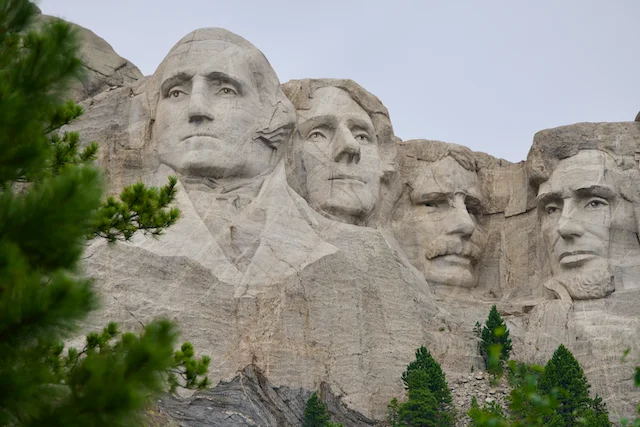
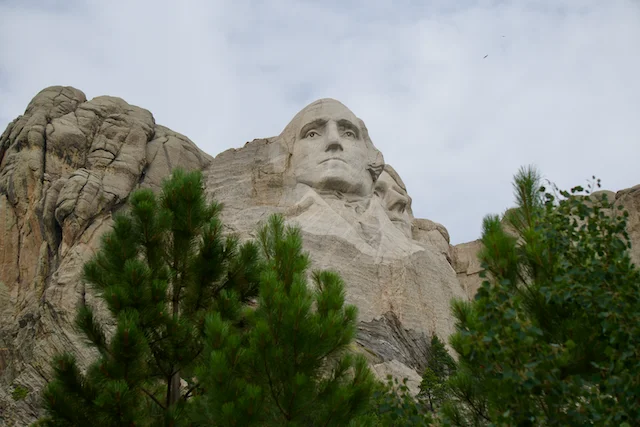
The 60-foot faces of George Washington, Thomas Jefferson, Theodore Roosevelt, and Abraham Lincoln were intended to serve as a “Shrine of Democracy.” While the artwork itself is great, the land it sits on and the sacred mountain into which it was carved tell a more serious story.
.
The Black Hills, or Paha Sapa, are sacred to the Lakota Sioux and were promised to Indigenous tribes forever by the 1868 Treaty of Fort Laramie. Less than a decade later, the U.S. government confiscated the land when gold was discovered in the hills. For many Native Americans, the monument is a symbol of broken treaties. To make matters even worse, the sculptor Gutzon Borglum, who carved the faces into the granite between 1927 and 1941, had ties to the Ku Klux Klan.
Quickly Escaping the Crowds
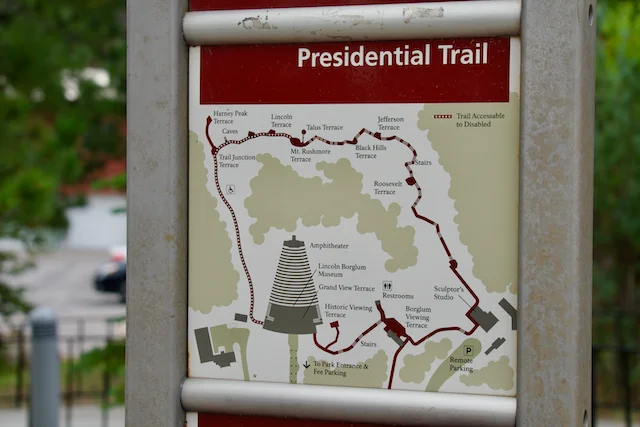
So this visit felt noticeably different from our first. My appreciation for the sculpture was overshadowed by the disrespect it represents to the Native people. It also didn’t help that we never felt comfortable during our stay. The viewing areas were incredibly crowded, and virtually no one, neither adults nor children, was wearing a mask. We, on the other hand, immediately put ours on, counting only three other families in the crowd who had done the same. Even though we were vaccinated, being packed so closely together felt unsafe. While everyone, thankfully, minded their own business and paid us no attention, we speed-walked the Presidential Trail to get our views of the monument and were done in record time.