
The Crown Jewel of the Anza National Historic Trail
May 2021
The Anza Corridor
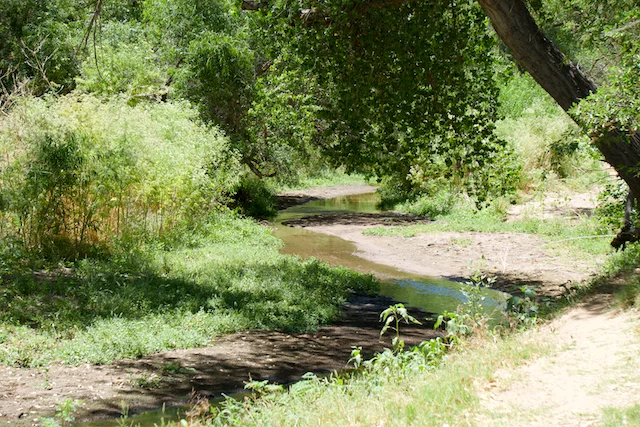
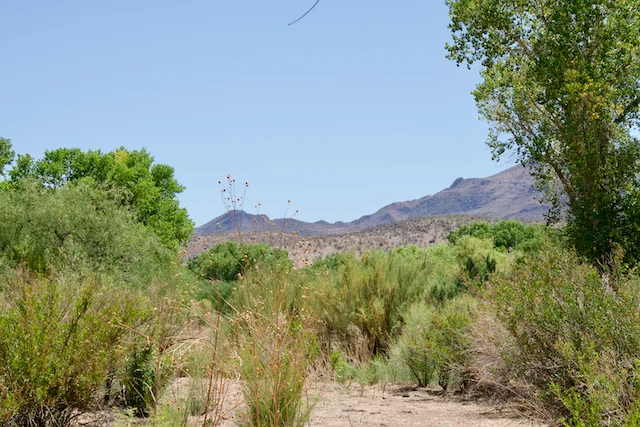
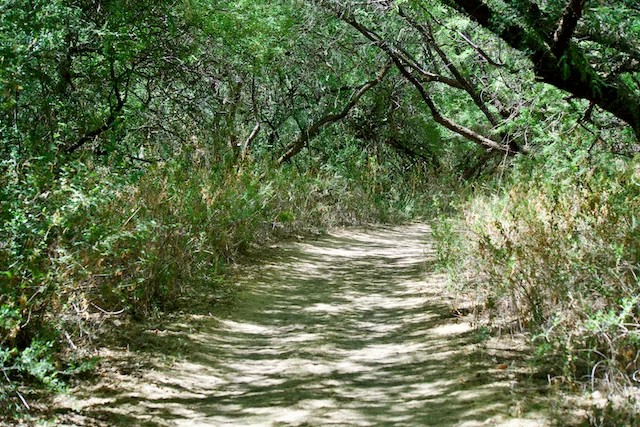
After our visit to the ruins of Mission Tumacácori, we followed part of the 1,210-mile Juan Bautista de Anza National Historic Trail. This route commemorates the 1775–1776 expedition led by Anza, who guided more than 240 settlers from New Spain (today’s Mexico and Arizona) to establish a mission and presidio at San Francisco Bay. The 4-mile section we hiked, between the ruins and the art-focused village of Tubac, is considered the “crown jewel” of the entire trail. This green corridor is protected to allow visitors to experience the high desert environment much as the settlers did 250 years ago.
Arizona’s Oldest Spanish Frontier
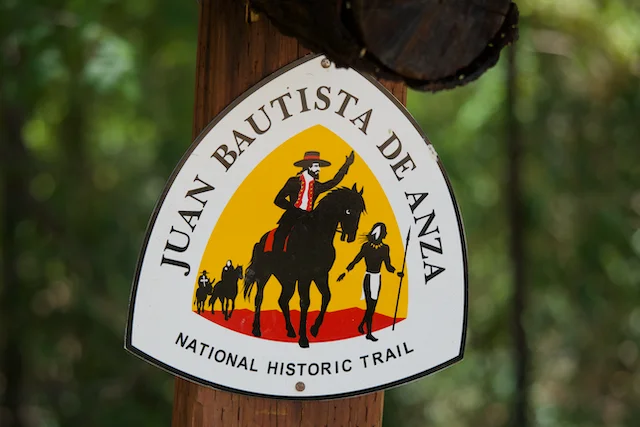
The trail marker captured the story of the expedition in a single graphic, with Juan Bautista de Anza on horseback, followed by the settlers and guided by Indigenous scouts. The expedition was unique because, rather than consisting only of soldiers and priests, the company included families with many women and children. Anza chose this route because it followed the Santa Cruz River, providing a continuous source of fresh water in the desert. Along the river, tall cottonwoods and willows provided much-appreciated shade against the sun, while the peaks of the Santa Rita Mountains served as navigational landmarks.
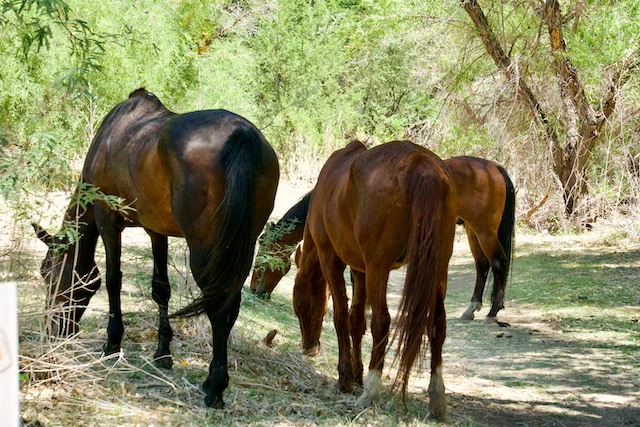
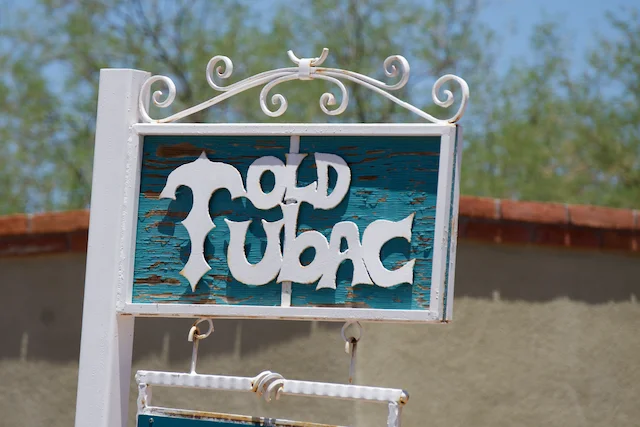
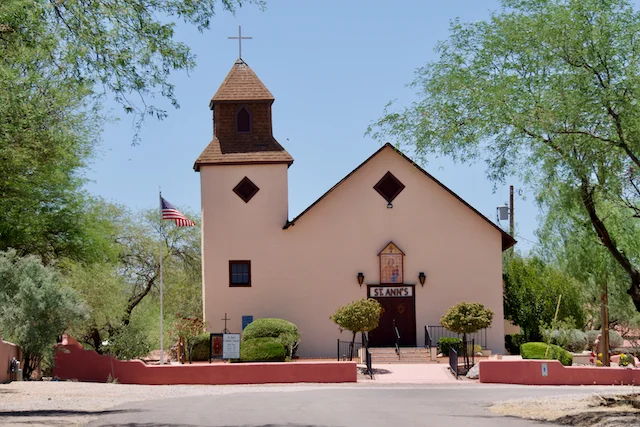
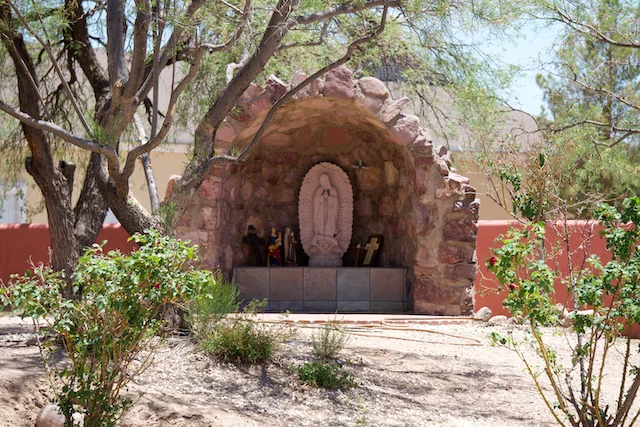
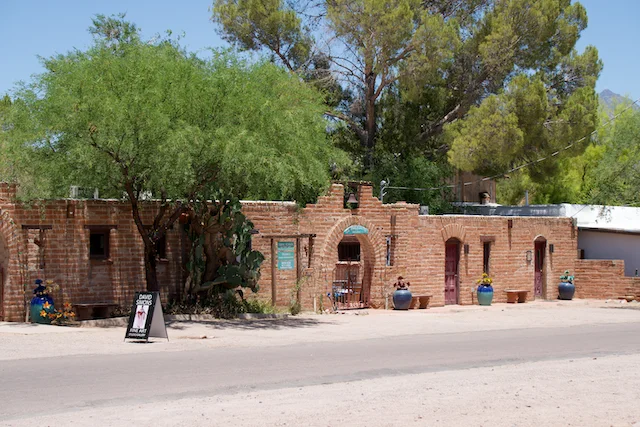
While walking to Tubac, we saw free-roaming horses, which added to the experience. In this region, many horses are direct descendants of the Spanish stock brought to the Americas from Europe centuries ago. These Spanish Mustangs share a genetic lineage with the horses used in Anza’s era. Passing the “Old Tubac” sign, we arrived at the oldest European settlement in Arizona. Tubac was founded as a Spanish presidio in 1752. Today, this Spanish Catholic influence is still visible in buildings such as St. Ann’s Catholic Church and the Grotto.