The Legacy of Pipe Spring
May 2021
A Visit to Pipe Spring NM, The Desert Oasis
After many days of hiking and cycling, we wanted to give our legs and feet a much-needed break. So, we drove south to Arizona, through the desert to the Kaibab Indian Reservation, and paid a visit to the Pipe Spring National Monument. This monument was well worth the visit, and during our guided tour, we learned a great deal about its history and the relationship between the Native Americans and Mormon settlers.
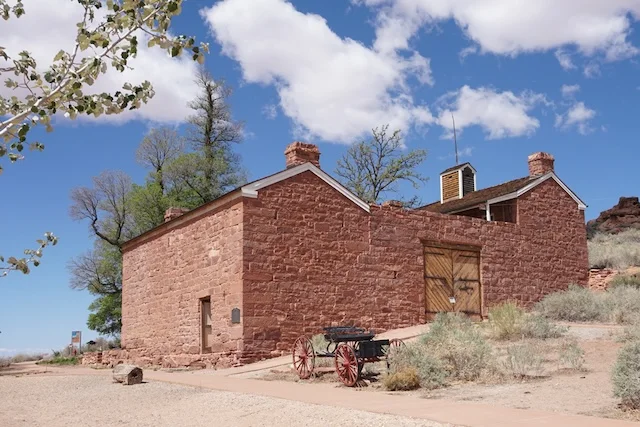
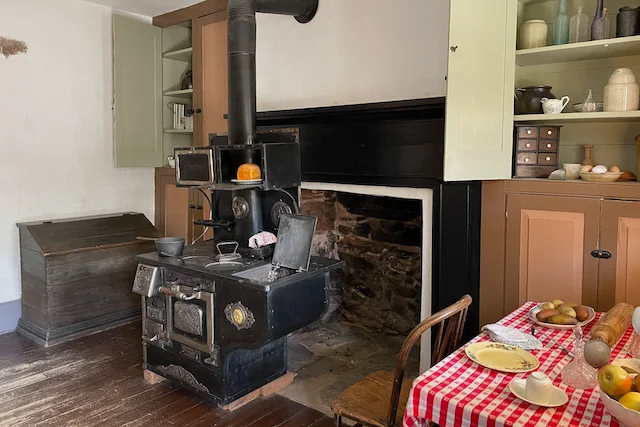
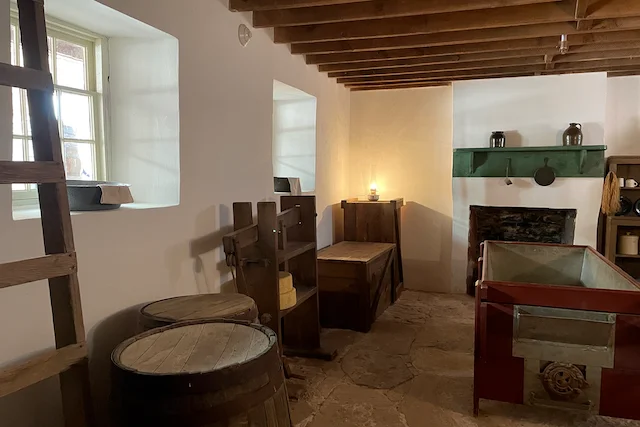
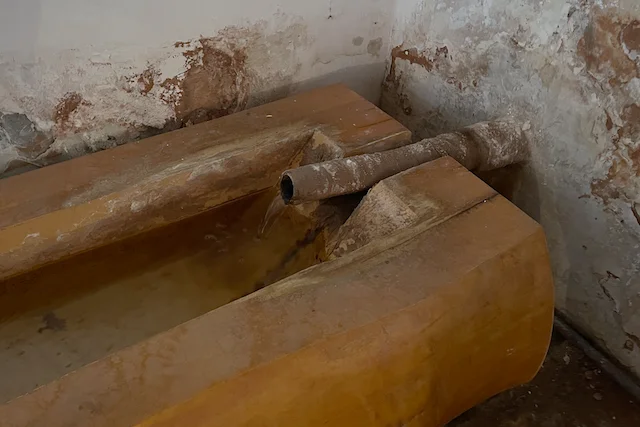
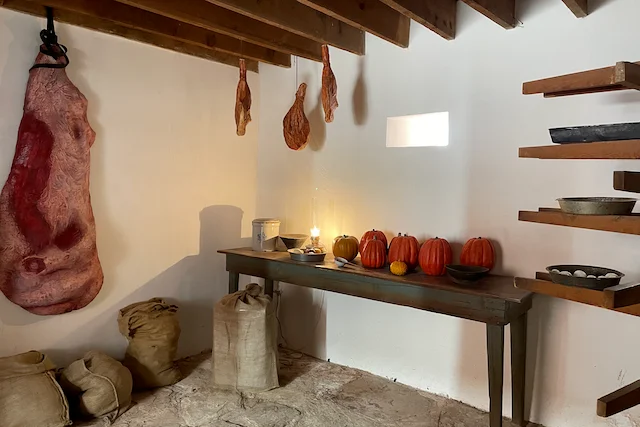
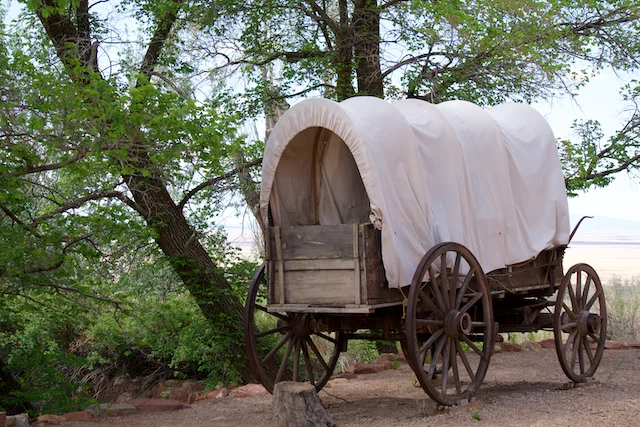
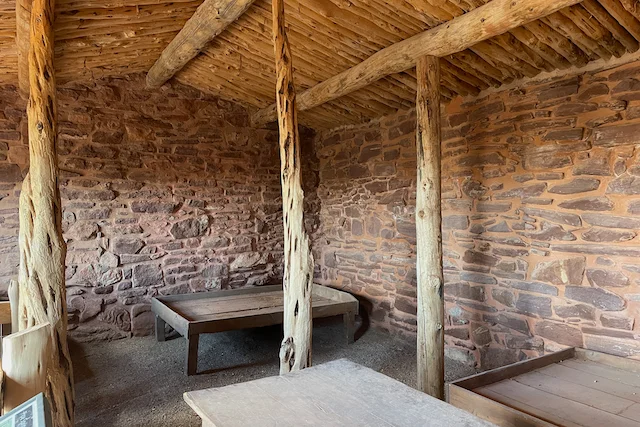
As the name suggests, there are natural springs here in the midst of the desert. For thousands of years, they provided a necessary water source for the tribes who lived here. They used the water to grow the “Three Sisters” crops, corn, beans, and squash. In the 1860s, Mormon pioneers arrived. Because of a conflict between settlers and local tribes known as the Black Hawk War, the Mormons built Winsor Castle, a fortified stone ranch house, in 1872. The fort was built directly over the spring, allowing the settlers to access water within the fort for protection and to keep dairy products cool in this specialized refrigeration room.
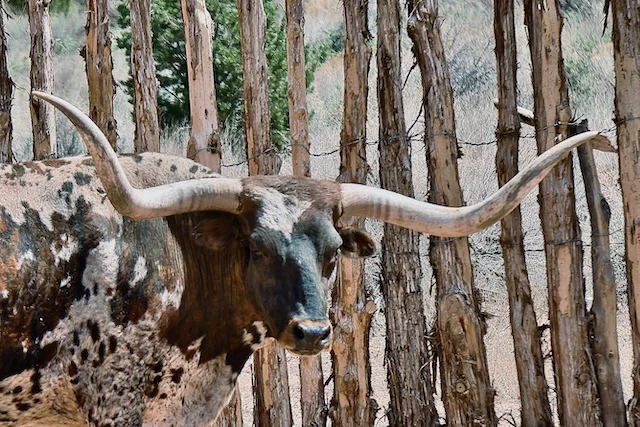
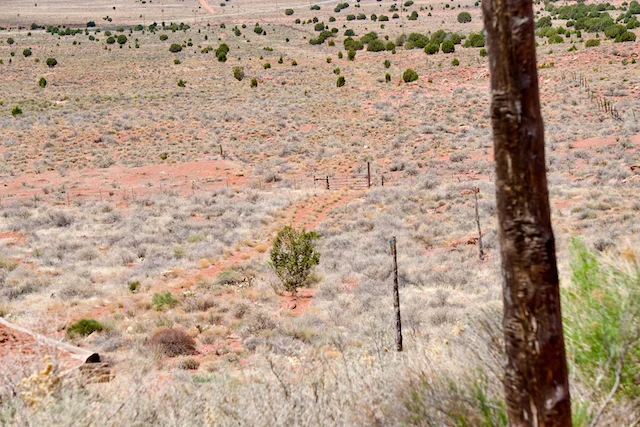
Today, Pipe Spring National Monument is not only a museum but is also restoring the surrounding grasslands of the Arizona Strip to their state before the settlers arrived in the 1850s. The abundance of desert grasses was the reason why ranchers originally came with their cattle and sheep to the Arizona Strip. However, the tall grasses quickly disappeared due to overgrazing, disturbing the fragile balance and making the desert nearly unlivable, leaving a sagebrush and tumbleweed-heavy landscape.
.
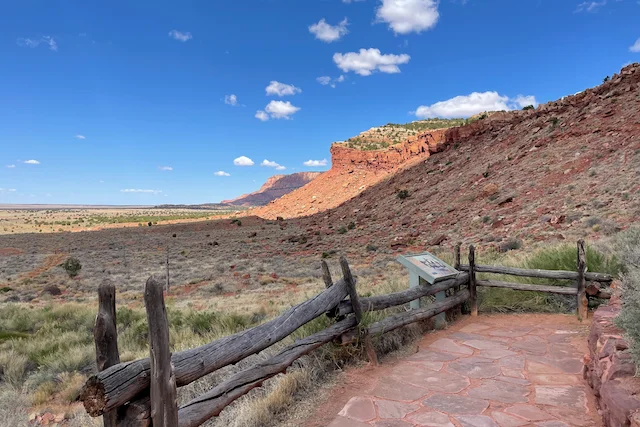
After our guided tour, we walked the short half-mile Ridge Trail loop and enjoyed panoramic views of the Arizona Strip, the Kaibab Indian Reservation, and the distant Grand Canyon. We also saw remnants of the telegraph system, the Deseret Telegraph line, which was how the settlers communicated at the time with the rest of the USA and the world.
The park ranger told us about the fact that the fragile balance of the Arizona Strip faces another challenge. In twenty years, the spring is expected to run dry. A somber future. Still, I want to stay hopeful, after often seeing nature’s stubborn resilience, rebounding, and enduring even against the odds. It might need our help, though.