
Echoes of New Netherland in Albany, NY
October 2025
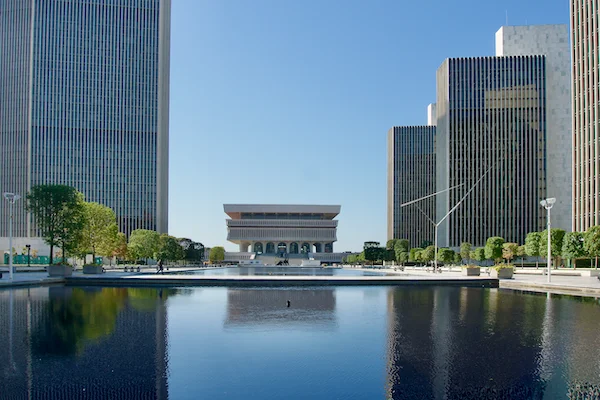
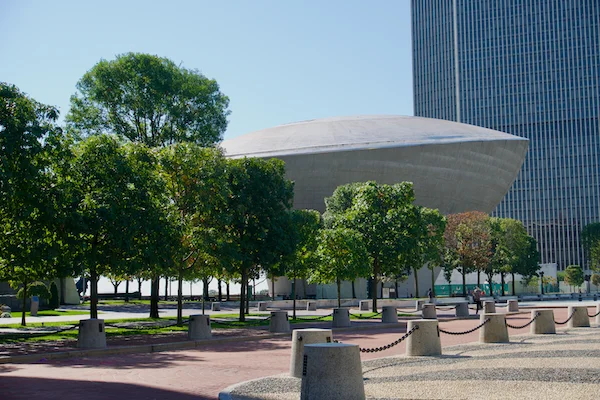
History & Controversy at Albany's Empire State Plaza
In the late 1950s, then-Governor Nelson Rockefeller envisioned the beginning of a “new Albany.” Apparently, the final push came in 1959 when Princess Beatrix of the Netherlands visited for the 350th anniversary of the Hudson-Champlain exploration. While riding through the streets with the princess, the governor was reportedly ashamed to show the “historic but shabby capital city.”


Our Brief Capitol Visit with Construction and Closure
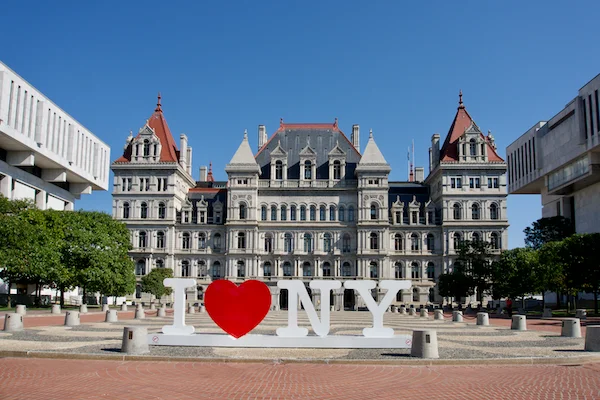
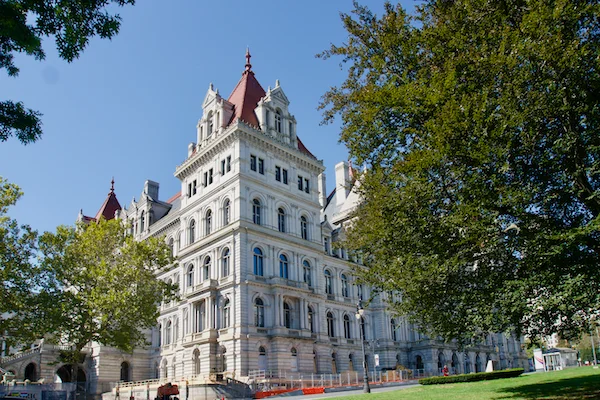
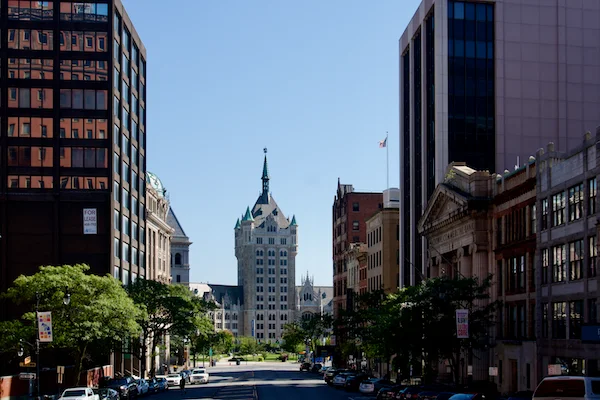
Our second stop was at the New York State Capitol. The construction of this enormous structure, a three-acre, five-story granite building, took 32 years, from 1867 to 1899. Architecturally, the building is a stunning combination of Romanesque Revival and French Renaissance Revival styles.



🇳🇱 Oranje Boven, Albany's Dutch Heritage
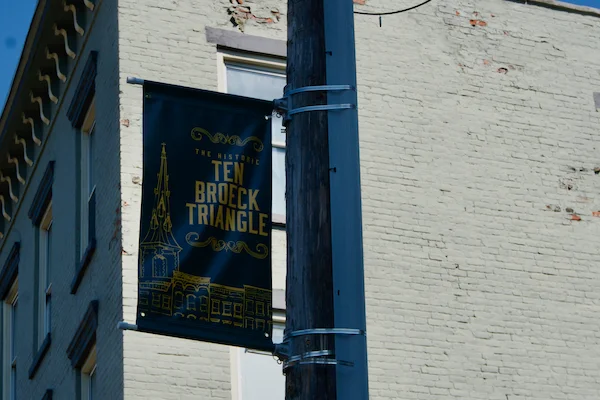
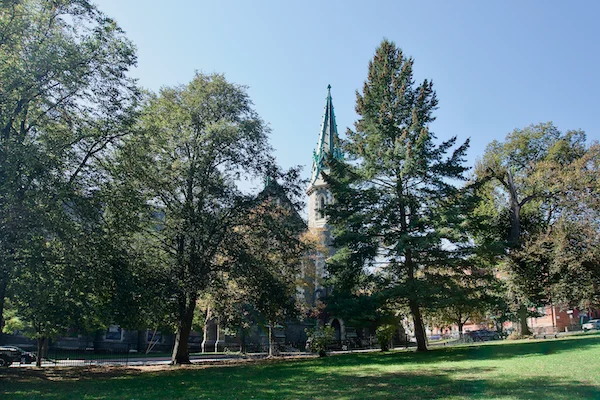
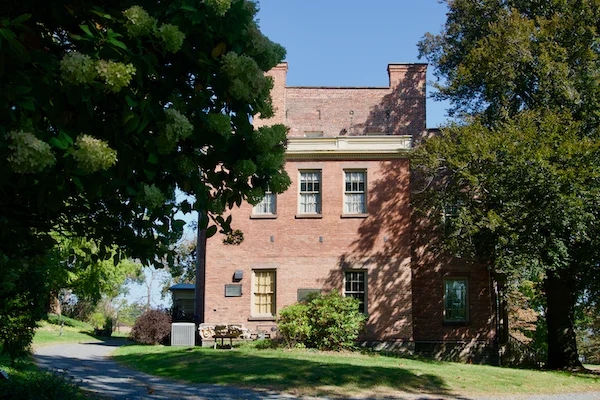
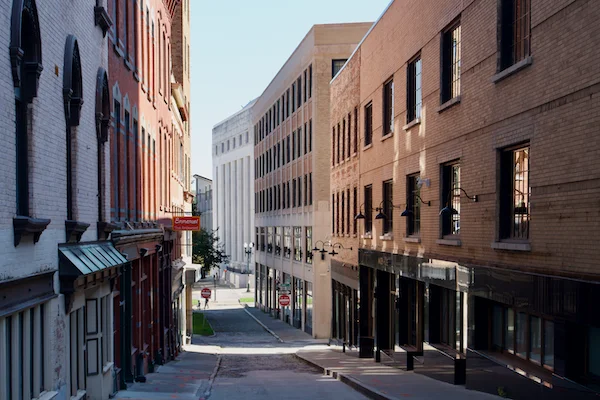
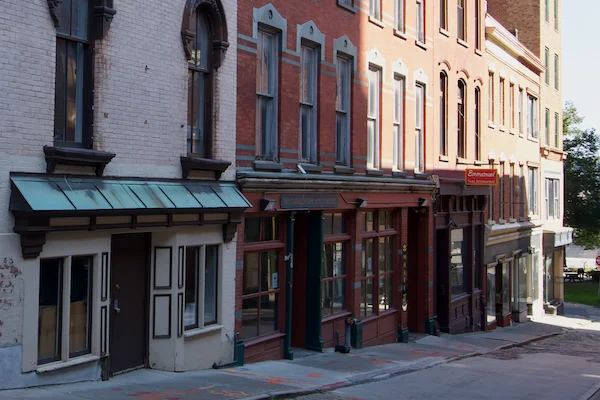
More Dutch Roots in Albany's Quackenbush Square
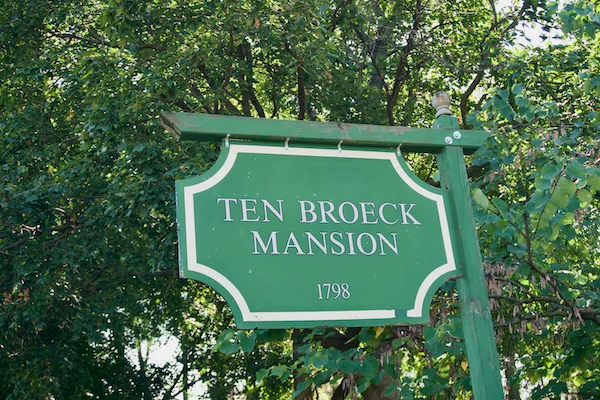
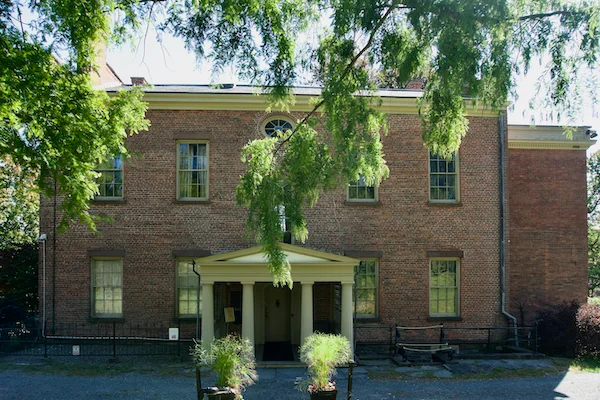
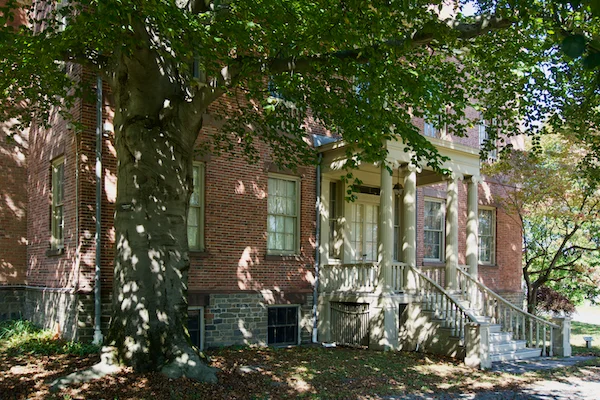
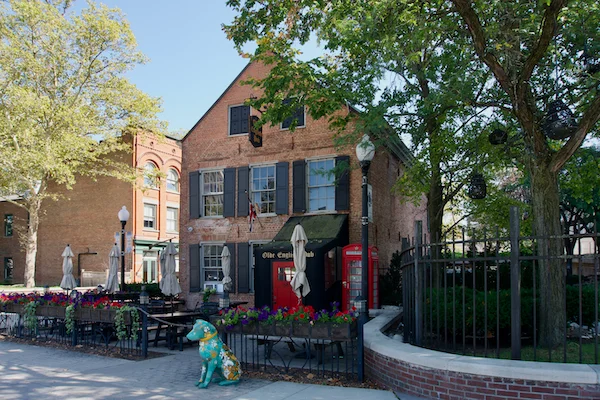
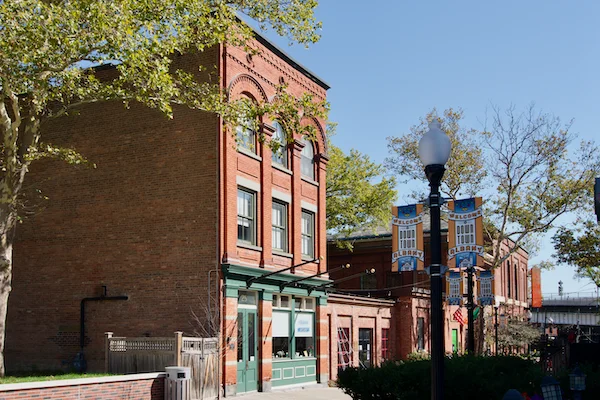
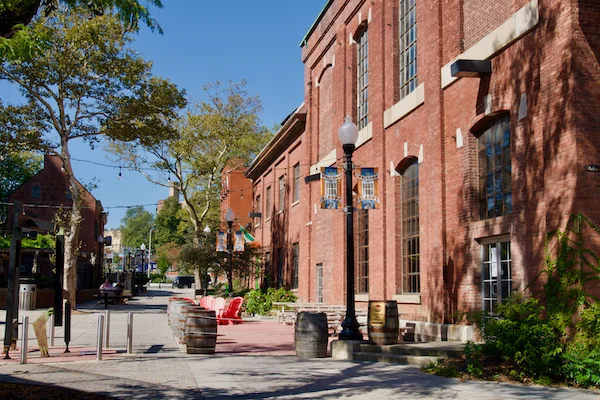
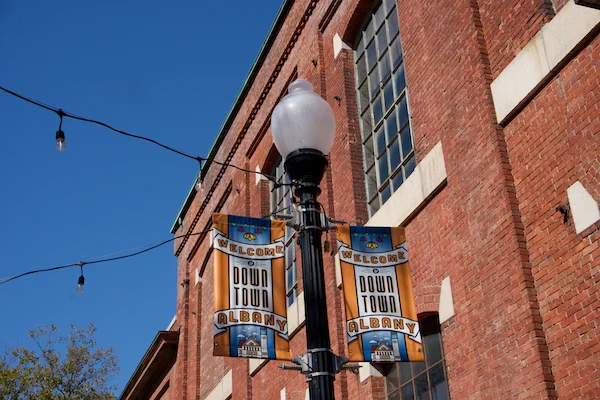
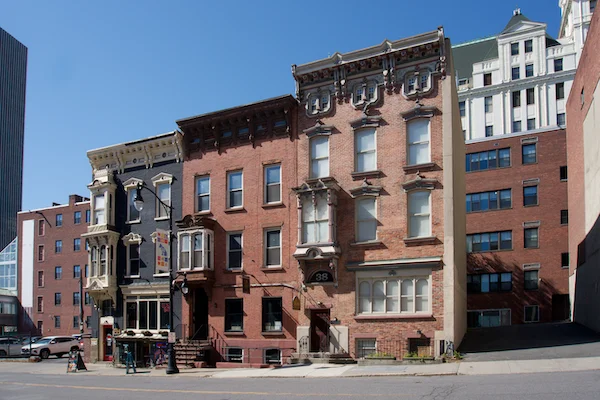
We continued our visit to Quackenbush Square. This name is another legacy of the district’s Dutch roots. The name is derived from a prominent Dutch brickmaking family that settled in Albany when it was still a colonial trading post.
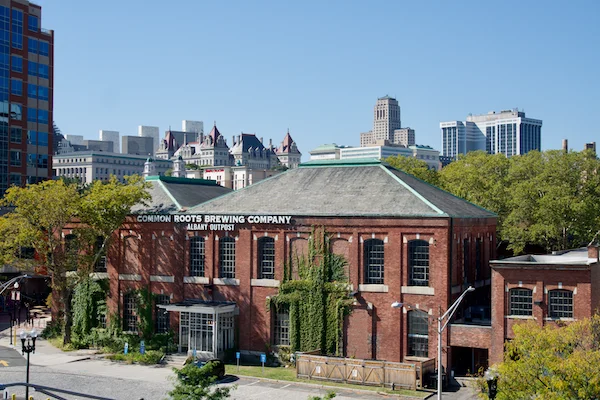
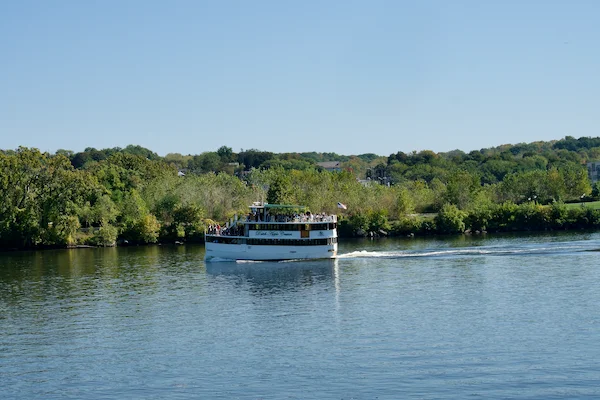
Connecting Downtown and the Hudson River
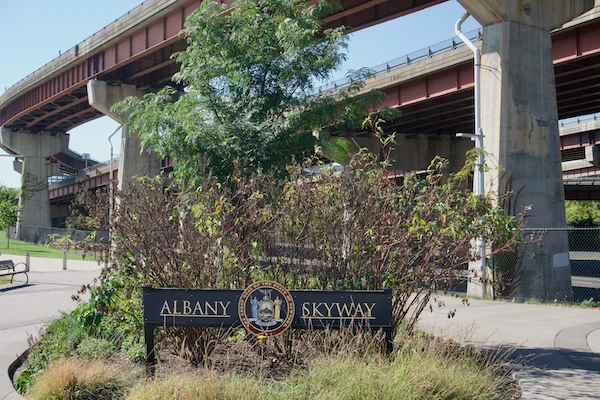
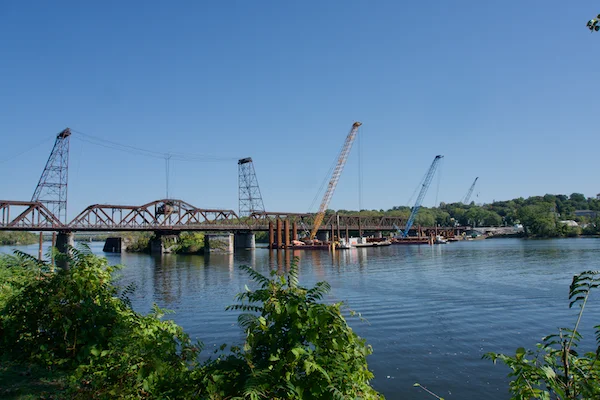
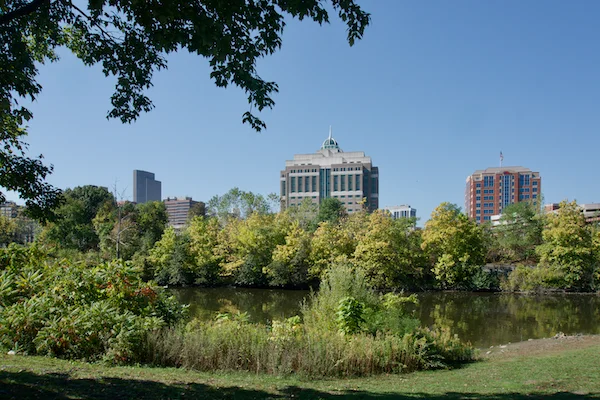
Beverwijck, Albany, and the Hudson's Beaver Bounty
Albany, on the Hudson River, was home to the Mohawk and Mahican peoples for thousands of years. The city’s European beginning can be traced to 1609, when the Dutch arrived seeking fortune. They found a valuable resource here, the beaver. The world’s “Little Ice Age” made the beavers’ pelts highly valuable in Europe.
The Dutch established partnerships with Native tribes and built trading posts, starting with Fort Nassau (1614) and later Fort Orange (1624). The latter trade center rapidly grew, and by 1652, the surrounding settlement was formally named Beverwijck, or the “Beaver District.”
Beverwijck flourished as a thriving center where Dutch and Native traders exchanged pelts for European goods. Mohawk men hunted the beaver, and Mohawk women processed their skins. The Dutch shipped tens of thousands of processed pelts from the Hudson Valley to Europe.
The Dutch colonial control ended in September 1664. Being outnumbered and facing the superior naval power of the English, Peter Stuyvesant surrendered without a fight. Beverwijck became Albany, beginning its long history under English rule, a period that lasted until the independence of the United States (1775-1783).
Beverwijck, Albany, and the Hudson's Beaver Bounty
What If Beverwijck Had Won?
What an enjoyable visit this has been. We knew about New York’s Dutch roots, but never realized Albany and the New Netherland colony had such prominence here in the 17th century. It only leaves the question: What if the Dutch had successfully defended New Netherland? Would Dutch have become a dominant language in North America? Would America have become the United States?