
The Legacy of Emmett Till and Mamie Till-Mobley
April 2026
A Story That Shouldn’t Be Forgotten
- April 19, 2026
- Temple Church
- 38 °F
Imagine your 14-year-old son visits family, is accused of whistling at a woman, and is subsequently tortured and murdered by racists. This was the reality for Mamie Till-Mobley in 1955. Her courage in holding an open-casket burial, exposing the horrors of racist hate, shocked the nation and sparked the Civil Rights Movement.
The Emmett Till and Mamie Till-Mobley National Monument is one of the newest NPS sites, established in 2023. It preserves their story at three historic sites located in Illinois and Mississippi. The Tills’ story started in August 1955, when Emmett Till traveled from Chicago to Money, Mississippi. After being accused of offending a white woman at a grocery store, he was abducted, tortured, and murdered. His body was thrown into the Tallahatchie River.
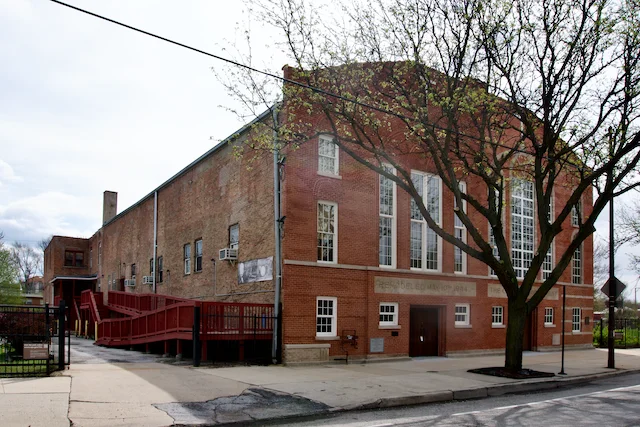
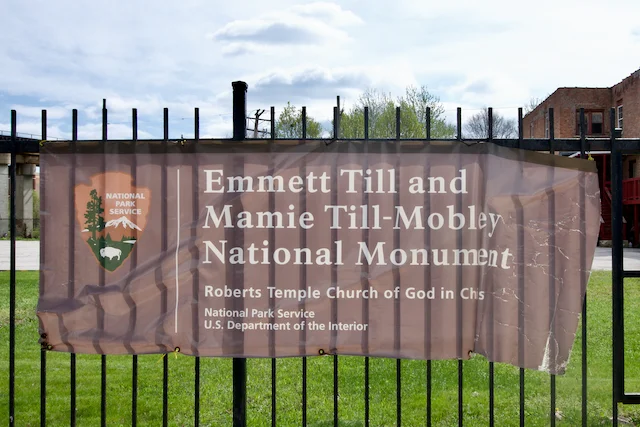
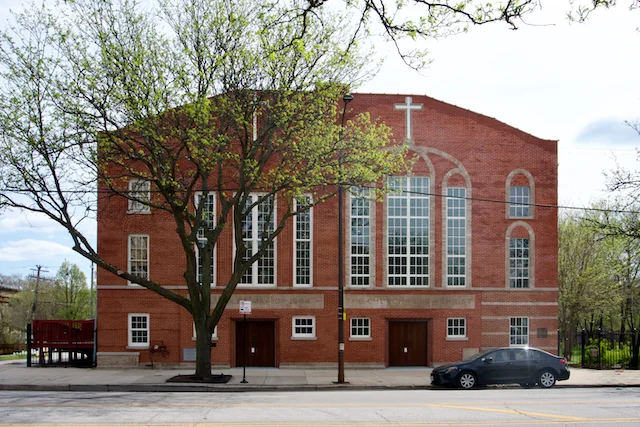
When his body was returned to Chicago, his mother insisted the world see what hatred had done. As a result, tens of thousands viewed his body at Roberts Temple Church of God in Christ. Since it remains an active church today, we could only view the exterior.
The Long and Unfinished Road to Justice
- April 19, 2026
- Burr Oak
- 38 °F
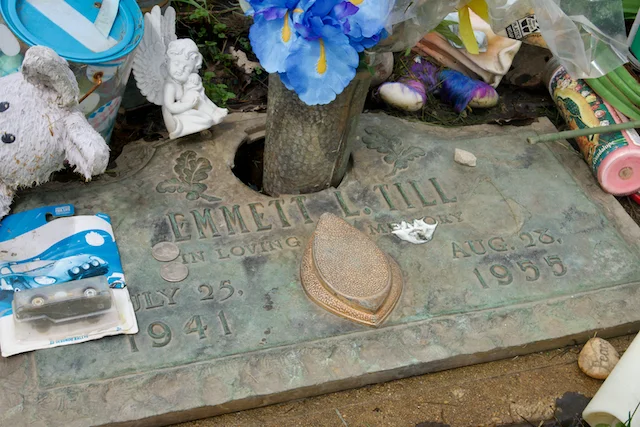
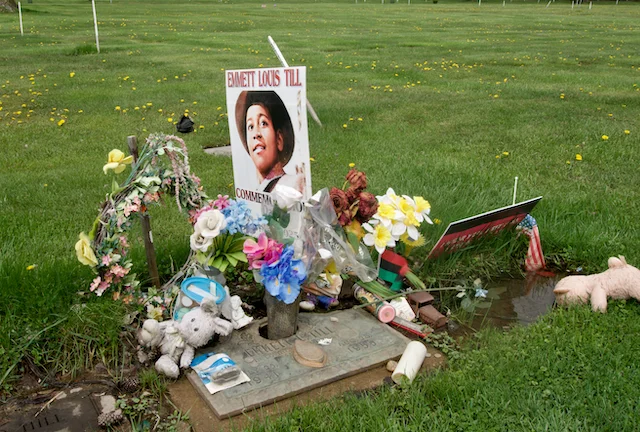
We also visited Emmett’s resting place at Burr Oak Cemetery in Alsip, Illinois, where his memorial was surrounded by flowers and toys. After he was exhumed for DNA research in 2005 and reburied in a new casket, his original glass-topped casket was recovered in 2009. His family then gifted it to the Smithsonian’s National Museum of African American History and Culture for display.

Mamie Till-Mobley dedicated the rest of her life to activism. The 2022 Emmett Till Antilynching Act, passed 67 years after Emmett’s lynching, tells us that progress is slow and that, even now in 2026, the Civil Rights Movement has much work to do to achieve equal justice for all.